
“Is Jaw Surgery Worth it?” – Jaw surgery can be worth it for severe misalignment or bite issues. Consult an orthodontist in San Antonio to see if it’s right for you.
Jaw surgery also known as jaw correction surgery is more than just a way to improve facial appearance. While it can create remarkable cosmetic changes, its primary purpose is to correct skeletal and dental irregularities that impact overall health and quality of life.
Many people assume jaw procedures are purely aesthetic, but they often provide essential functional and medical benefits. At Oliver Family Orthodontics, our experienced orthodontist in San Antonio explains that surgical orthodontic treatments, including corrective jaw surgery for TMJ, can significantly improve breathing, chewing, speech, and even mental wellness.
With the guidance of a trusted orthodontist in San Antonio, TX, patients can experience a transformed smile and a profound improvement in daily comfort and overall health. This article will explore the many advantages of jaw surgery, revealing why it’s far more than just a cosmetic solution.
Is Orthognathic Surgery Safe?
Yes, orthognathic surgery is a safe and reliable option for jaw correction. With the expertise of a trusted San Antonio Orthodontist, San Antonio orthognathic surgery and corrective jaw surgery are performed with advanced techniques to ensure effective results.
Understanding Jaw Surgery to Correct Alignment
Orthognathic jaw surgery is a specialized procedure performed to realign the jaws when orthodontics alone cannot correct bite and jaw discrepancies. San Antonio jaw correction surgery is often the next step when traditional braces or aligners are insufficient.
An Orthodontist in San Antonio offers several forms of San Antonio jaw correction and bite correction surgery:
-
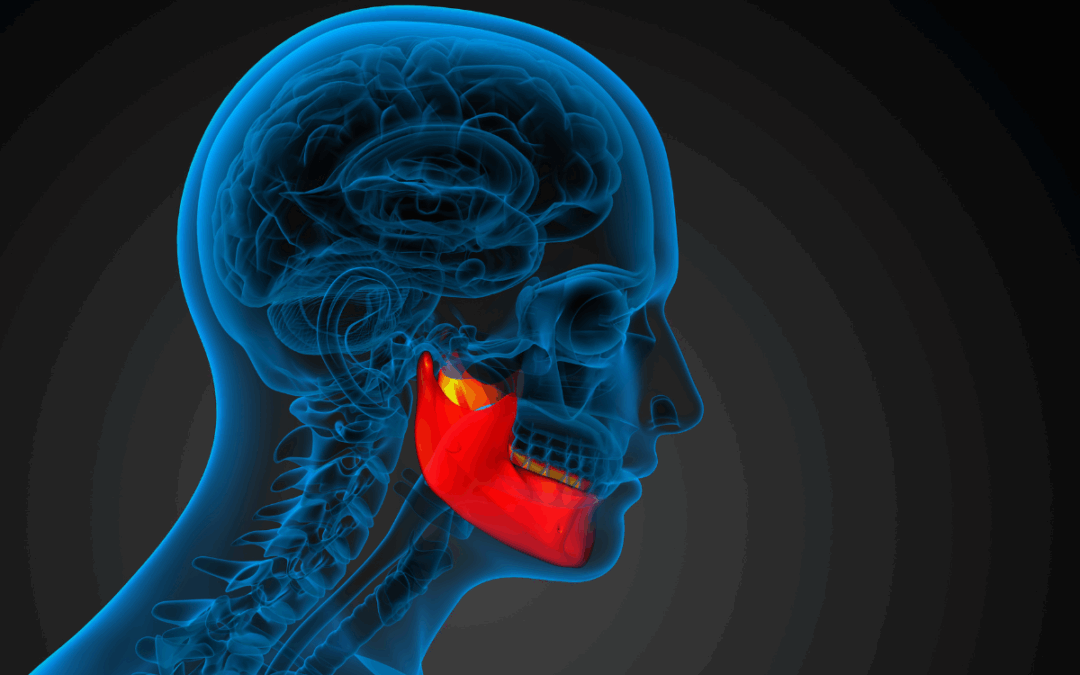
Maxillary Osteotomy (Upper Jaw Surgery): This bite correction surgery procedure involves repositioning the upper jaw (maxilla) to correct issues such as an overbite, underbite, or crossbite. It can help improve the alignment between the upper and lower teeth, enhance facial balance, and open airways to reduce breathing problems like sleep apnea.
-
Mandibular Osteotomy (Lower Jaw Surgery): This surgery to correct jaw alignment targets the lower jaw (mandible), moving it forward, backward, or sideways to correct bite misalignments such as a San Antonio underbite jaw surgery or overbite. It can also relieve pressure on the temporomandibular joint (TMJ), reducing pain and improving jaw function.
-
Genioplasty (Chin Surgery): This procedure reshapes or repositions the chin to enhance facial aesthetics and improve jaw alignment. Genioplasty can be performed alone or alongside other jaw surgeries to balance the lower face.
-
Jaw Reconstruction Surgery: This involves extensive surgical techniques to rebuild or reshape the jaw structure in cases of severe deformities, trauma, or congenital abnormalities. It may include bone grafts, implants, or segmental osteotomies to restore both function and appearance.
Is Surgery to Correct Jaw Alignment Worth It?
The benefits of San Antonio underbite surgery or overbite range from conditions such as:
-
Malocclusion (Misaligned Bite): When the teeth do not fit together properly, causing difficulties in biting, chewing, and speaking. Surgery corrects jaw positioning to ensure proper occlusion and jaw function.
-
Open Bite or Crossbite: Open bite refers to a gap between upper and lower teeth when the mouth is closed, while crossbite is when upper teeth bite inside the lower teeth. Both can cause chewing issues, speech difficulties, and uneven tooth wear.
-
Sleep Apnea: A potentially serious sleep disorder where breathing repeatedly stops and starts due to airway obstruction. Orthognathic surgery can reposition the jaws to open the airway, improving breathing and sleep quality.
-
TMJ Disorders: Problems involving the temporomandibular joint that result in jaw pain, headaches, and limited movement. Surgery can relieve pressure and correct jaw misalignment to reduce symptoms.
-
Facial Asymmetry: Unevenness or imbalance in facial structure caused by jaw misalignment or developmental issues. Corrective jaw surgery improves symmetry and facial harmony.
If you’re seeking surgical orthodontics in San Antonio, TX, a consultation with a qualified surgical orthodontist can help determine the right course of action tailored to your needs.
Understanding Jaw Surgery Risks
Jaw surgery, or orthognathic jaw surgery, is generally a safe and effective procedure when performed by an experienced surgical orthodontist in collaboration with an oral and maxillofacial surgeon. At Oliver Family Orthodontics, our team ensures careful planning and expert coordination to minimize risks and achieve the best possible outcome.
However, like any major surgery, jaw surgery San Antonio. TX procedures carry certain potential risks, including:
-
Excessive bleeding during or after the surgery
-
Infection at the surgical site, which may require antibiotics
-
Nerve damage that can cause temporary or, rarely, permanent numbness or altered sensation
-
Fracture or weakening of the jawbone, sometimes needing further intervention
-
Relapse, where the jaw shifts back toward its original position over time
-
Issues with bite alignment or jaw joint discomfort, possibly requiring additional treatment
-
Possibility of needing follow-up surgeries to refine results
-
Damage to nearby teeth, which in some cases may lead to the need for root canal therapy
-
Rare complications such as partial loss of jawbone tissue
In the weeks following corrective jaw surgery or lower jaw surgery, patients may experience:
-
Pain and swelling around the surgical area
-
Difficulty eating solid foods, necessitating a temporary diet of soft or liquid nutrition; working with a dietitian can ensure proper nourishment during recovery.
Suppose you’re considering surgical orthodontics in San Antonio, TX. In that case, it’s important to discuss these risks thoroughly with your orthodontist in San Antonio and surgical team to make an informed decision and understand the postoperative care required for a smooth healing process.
Preparing for Orthognathic Jaw Surgery San Antonio, TX: What to Expect
-
Pre-surgical Orthodontic Treatment: Most patients begin with braces placed by their orthodontist in San Antonio well before undergoing orthognathic jaw surgery. Typically, braces stay on for 12 to 18 months to properly align and level the teeth in preparation for jaw correction surgery.
-
Extended Orthodontic Phase: In some cases, braces may be worn longer to reverse previous tooth movements if it’s later determined that surgical orthodontic intervention is necessary to fully correct bite and jaw issues.
-
Rare Early Surgery Approach: Occasionally, orthodontic surgery may involve performing lower jaw surgery or corrective jaw surgery before full orthodontic treatment begins. In such cases, braces are applied shortly before surgery, but this approach is uncommon.
-
Collaborative Treatment Planning: A surgical orthodontist works closely with an oral and maxillofacial surgeon to design a comprehensive treatment plan. This involves detailed records such as X-rays, photographs, and dental models to ensure precise planning for both braces and jaw reconstruction surgery.
-
Additional Dental Procedures: Due to changes in tooth positioning, some patients may require reshaping of teeth or the application of crowns to achieve optimal bite and function after surgery.
-
Advanced Technology Integration: Innovations like 3D CT scans, computer-assisted treatment planning, and temporary orthodontic anchoring devices can enhance tooth movement efficiency. Sometimes, these technologies help reduce the duration of braces or even eliminate the need for orthognathic jaw surgery altogether.
-
Virtual Surgical Planning: For surgical orthodontics in San Antonio, TX, virtual surgical design and simulation guide the surgical orthodontist in precisely repositioning the jaws. This step improves accuracy and predicts whether additional orthodontic treatment post-surgery will be necessary.
-
3D Printing and Custom Surgical Tools: Virtual planning often includes 3D printing of surgical cutting guides and custom titanium plates. These tools assist the surgeon during jaw correction surgery to make exact bone cuts and position the jawbones accurately for the best functional and aesthetic results.
Functional Health Benefits of Jaw Surgery
Improved Breathing and Sleep Quality
For individuals suffering from obstructive sleep apnea, corrective jaw surgery can be life-changing. By repositioning the jaw to open up the airway, the surgery reduces blockages that cause interrupted breathing during sleep. This leads to better oxygen flow and higher quality rest, improving both daytime function and long-term cardiovascular health.
Enhanced Chewing and Digestion
Misaligned jaws make it difficult to chew food properly. This can lead to digestive issues and inadequate nutrient absorption. Jaw correction surgery restores a functional bite, allowing for efficient mastication, which aids digestion and reduces gastrointestinal strain.
Speech Improvements
Speech impediments often stem from jaw and bite irregularities. Under-jaw surgery and lower-jaw surgery can correct anatomical issues that affect tongue placement and articulation. After surgery, patients frequently report clearer speech and better communication.
Corrective Jaw Surgery for TMJ Disorder Relief
Temporomandibular joint (TMJ) disorders can cause chronic jaw pain, headaches, and difficulty opening or closing the mouth. Orthognathic jaw surgery can alleviate these symptoms by repositioning the jaw to relieve joint stress, improving both function and comfort.
Psychological and Quality-of-Life Enhancements
Corrective jaw surgery doesn’t just change how you look, it transforms how you feel.
Patients often report a significant boost in self-esteem and confidence, which positively impacts social interactions and mental health. Clinical studies have shown measurable improvements in anxiety, depression, and social functioning following orthodontic surgery.
When function and form align, the psychological benefits are undeniable. For those in need of a San Antonio orthodontist, combining surgical and orthodontic treatment can be a life-enhancing journey.
Long-Term Oral Health Advantages
The benefits of jaw realignment surgery extend into long-term oral health:
-
Prevention of Tooth Wear: Misaligned bites cause uneven pressure, leading to excessive wear. Surgery corrects this, preserving tooth enamel.
-
Reduced Risk of Gum Disease: Properly aligned jaws and teeth are easier to clean, minimizing plaque buildup and gum irritation.
-
Fewer Dental Interventions: Patients who undergo jaw reconstruction surgery often avoid future costly treatments, thanks to improved bite stability and function.
Choosing an experienced orthodontist in San Antonio, TX, ensures that the functional outcomes of your treatment are maximized for long-term health.
Conclusion
Orthognathic jaw surgery offers far more than cosmetic improvements – the benefits of jaw surgery deliver vital health benefits that enhance breathing, chewing, speech, and overall quality of life. Whether you require lower jaw surgery, jaw correction surgery, or more extensive jaw reconstruction surgery, partnering with an experienced orthodontist in San Antonio is essential for achieving the best functional and aesthetic results.
At Oliver Family Orthodontics, our dedicated San Antonio orthodontist team specializes in surgical orthodontics tailored to your unique needs. We combine advanced technology with compassionate care to ensure your journey to better health and confidence is smooth and successful.
If you’re considering orthodontic surgeries or seeking a trusted surgical orthodontist in San Antonio, don’t wait – call us to schedule a consultation and take the first step toward lasting oral health and enhanced well-being.
FAQs
Is Jaw Correction Surgery Worth It?
Corrective jaw surgery significantly improves quality of life by reducing pain, enhancing oral function, and boosting self-confidence, making it a valuable investment for many patients.
What Qualifies You for Corrective Jaw Surgery?
Jaw surgery treats congenital or developmental issues, cleft lip/palate, severe overbites or underbites, and traumatic jaw injuries.
Does Insurance Cover Corrective Jaw Surgery?
Yes, insurance often covers jaw surgery when deemed medically necessary, especially for functional issues like severe bite problems or sleep apnea. Coverage varies, so it’s best to check with your provider.
What is the Best Age for Jaw Surgery?
Jaw surgery is typically performed after growth ends—usually ages 16–18 for females and 18–21 for males—with other factors influencing the exact timing.
How Long Does Corrective Jaw Surgery Take?
Corrective jaw surgery typically takes 2 to 4 hours, depending on the case’s complexity. Recovery time varies, but most patients resume normal activities within 2 to 6 weeks.
Is Underbite Surgery Worth it?
Yes, underbite surgery can be worth it if the misalignment affects your bite, speech, or facial balance. It offers lasting functional and aesthetic benefits.
Is Orthognathic Surgery Cosmetic?
Orthognathic surgery isn’t purely cosmetic it corrects jaw alignment issues that affect chewing, speech, and breathing. However, it often improves facial appearance as a bonus.