
If you are interested in straightening your teeth without traditional metal braces, you may be wondering: who is a candidate for clear aligners? The answer depends on more than age or how crooked your teeth appear. Clear aligners can address many common orthodontic concerns, but the right treatment depends on your teeth, bite, jaw relationship, oral health, and treatment goals.
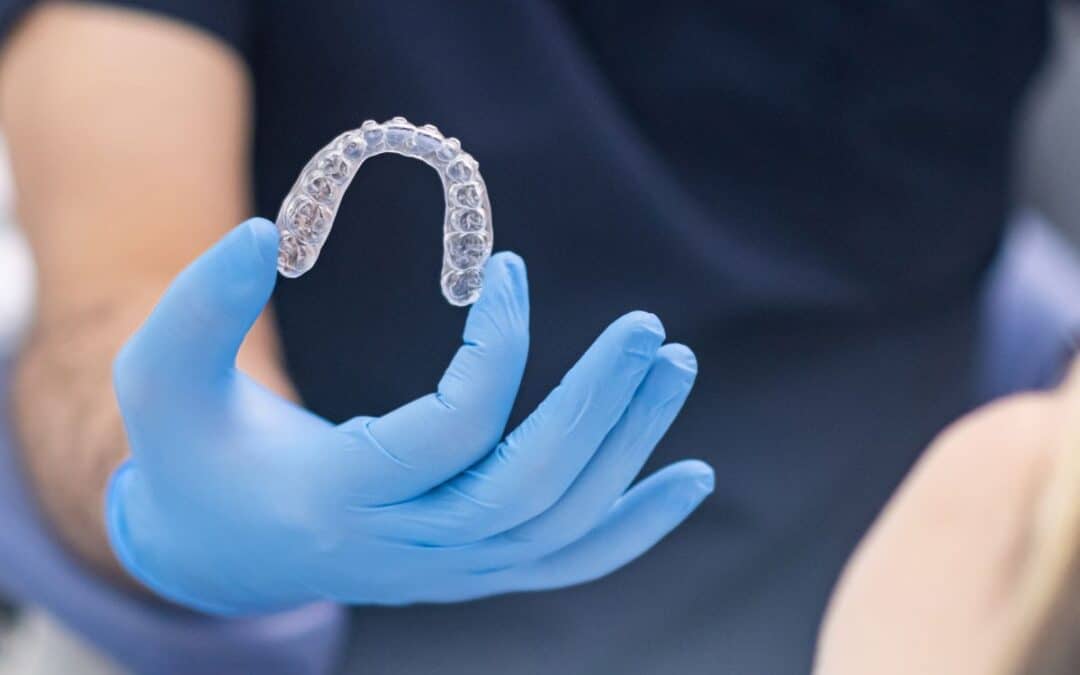
At Oliver Family Orthodontics in San Antonio, a personalized orthodontic evaluation can help determine whether clear aligners treatment in San Antonio is appropriate for your smile. Clear aligners use a series of custom-made, removable trays to gradually move teeth into planned positions. The treatment can be a discreet option for teens and adults, but an orthodontist needs to evaluate your individual needs before recommending it.
Quick Answer
A good candidate for clear aligners is generally someone with an orthodontic concern that can be predictably treated with removable aligners and who can follow the recommended wearing and care instructions. Clear aligners may be used for concerns such as crowded or crooked teeth, gaps, and certain bite problems. However, some cases may be better treated with braces or a combination of orthodontic approaches. An in-person evaluation is the best way to determine which option fits your needs.
What Makes Someone a Good Clear Aligner Candidate?
There is no single age, tooth-position measurement, or visual test that automatically makes someone eligible for clear aligners. Instead, an orthodontist considers several factors.
1. You Have Crowded or Crooked Teeth
Crowding happens when there is not enough space for teeth to sit properly within the dental arch. Depending on the severity and type of tooth movement required, clear aligners may be used to gradually improve tooth alignment.
Oliver Family Orthodontics describes clear aligners as an option for patients with crowded teeth and other common alignment concerns.
2. You Have Gaps Between Your Teeth
Spaces between teeth, sometimes called spacing, are another concern that clear aligners may address. A sequence of trays can be designed to move selected teeth gradually and close appropriate spaces.
The cause and location of the spacing still matter. An orthodontist may need to determine whether the space is related to tooth position, tooth size, missing teeth, or another factor before selecting a treatment approach.
3. You Have Certain Bite Problems
Clear aligners may be appropriate for certain bite concerns, including some overbites. If an overbite is one of your concerns, you can learn more about clear aligners for an overbite and what factors can affect treatment.
That does not mean every bite problem can or should be treated with aligners. Bite correction may require additional orthodontic mechanics, attachments, elastics, braces, or another approach depending on the individual case.
4. You Want a More Discreet Treatment Option
Some patients are interested in clear aligners primarily because they are less noticeable than traditional braces. Clear aligners are made from transparent plastic and are designed to fit over the teeth.
For adults who work in professional settings or teens who are concerned about the appearance of braces, this may be an important consideration. Still, appearance is only one part of the treatment decision. The aligners also need to be appropriate for the orthodontic movements required.
5. You Can Follow the Wear Instructions
Clear aligners are removable, which is one of their major conveniences. It is also an important part of treatment responsibility.
Patients need to wear their aligners according to their orthodontist’s instructions, remove them when appropriate, and keep both their teeth and aligners clean. The AAO notes that aligners are typically worn for most of the day and removed for eating, drinking, brushing, and flossing.
If someone frequently forgets to wear their aligners or removes them for long periods, treatment may not progress as planned.
Are Clear Aligners Suitable for Adults?
Yes, adults can be candidates for clear aligners. Orthodontic treatment is not limited to children and teenagers. Healthy teeth can be moved orthodontically at different stages of life, although the treatment approach depends on the individual’s dental and orthodontic condition.
Adults may choose clear aligners when they want to address crowding, spacing, crooked teeth, or certain bite concerns while keeping their treatment relatively discreet.
However, age alone does not determine candidacy. An orthodontic examination is still necessary to understand the condition of the teeth, gums, bite, and supporting structures.
Can Teens Be Candidates for Clear Aligners?
Some teenagers may also be candidates for clear aligners. The important consideration is whether the treatment can be completed safely and predictably and whether the patient can consistently follow the wear and care instructions.
Parents and teens should discuss lifestyle, oral hygiene, treatment complexity, and expected responsibilities during the orthodontic consultation.
Who May Not Be a Good Candidate?
Clear aligners are not automatically appropriate for every patient.
Some orthodontic problems may require traditional braces or another treatment method. The FDA notes that clear aligners are commonly used for mild to moderate orthodontic problems, while more complex conditions may require braces or other treatment.
Potential concerns may include:
- Orthodontic movements that are difficult to accomplish predictably with aligners
- Certain complex bite or jaw relationships
- Significant treatment complexity requiring other orthodontic mechanics
- Difficulty consistently following aligner wear instructions
- Dental conditions that need attention before orthodontic treatment
This does not mean a person with a more complicated case can never receive clear aligners. Treatment technology and planning continue to evolve, and some complex cases can be managed with aligners in carefully selected situations. The appropriate treatment depends on the diagnosis and the movements required.
Why an Orthodontic Evaluation Matters
A photograph or online questionnaire cannot tell you everything about your orthodontic needs.
During an orthodontic evaluation, your provider can examine your teeth and bite and determine what is happening beneath the surface. Depending on the circumstances, diagnostic records may include photographs, digital scans or impressions, and dental X-rays.
The American Association of Orthodontists emphasizes the importance of a thorough in-person examination before orthodontic treatment.
At Oliver Family Orthodontics, the practice’s new-patient process includes reviewing dental and medical history, examining the teeth and gums, taking orthodontic X-rays and photographs when appropriate, and developing a customized treatment plan.
That evaluation can also help you compare clear aligners with other options rather than choosing a treatment simply because it looks convenient.
What Should You Ask Before Choosing Clear Aligners?
If you’re considering clear aligners, bring your questions to your consultation. Useful questions include:
- What orthodontic problems do I need to correct?
- Can clear aligners address my specific bite?
- Would braces be a better option for my case?
- How often will I need appointments?
- How long might treatment take?
- What will I need to do at home?
- What happens if an aligner does not fit properly?
- What happens after active treatment is finished?
- Will I need a retainer?
Clear aligner treatment is a partnership between the patient and orthodontic team. Understanding your responsibilities before treatment begins can help you make an informed decision.
Clear Aligners in San Antonio, TX
If you’re searching for clear aligners in San Antonio, choosing an orthodontic provider who evaluates your individual needs is an important first step.
Oliver Family Orthodontics provides orthodontic care for children, teens, and adults in San Antonio. Its clear-aligner service is designed around customized treatment planning for patients seeking a discreet alternative to traditional braces.
The practice is located at 9646 W Loop 1604 N, Suite 101, San Antonio, TX 78254.
If you would like to learn more about the patient experience and location, you can also see what patients are saying on Google through the practice’s Google Business Profile.
Frequently Asked Questions
Can anyone get clear aligners?
No. Clear aligners are not appropriate for every orthodontic case. They may treat many alignment and bite concerns, but candidacy depends on the type and complexity of tooth movement required. An orthodontist can determine whether aligners are appropriate after an evaluation.
Are clear aligners only for adults?
No. Both teenagers and adults may be candidates. Age is only one consideration. The patient’s orthodontic needs and ability to follow treatment instructions are also important.
Are clear aligners good for crowded teeth?
They can be. Clear aligners may be used to address crowded teeth, although the severity and type of crowding influence whether aligners are an appropriate treatment option.
Can clear aligners fix an overbite?
Clear aligners can address certain overbites, but not every overbite is the same. Your orthodontist needs to evaluate the cause and severity of the bite problem and determine which treatment approach is appropriate.
How do I know if clear aligners are right for me?
The most reliable way to find out is to have an orthodontic evaluation. Your provider can examine your teeth and bite, review relevant diagnostic information, discuss your goals, and explain whether clear aligners or another treatment option is appropriate.
Take the Next Step Toward a Straighter Smile
Wondering who is a candidate for clear aligners is a good place to start, but candidacy ultimately comes down to your individual orthodontic needs.
If you are considering discreet teeth-straightening treatment in San Antonio, an evaluation can help you understand your options without committing to a particular appliance before your needs are assessed. Oliver Family Orthodontics can discuss whether clear aligners fit your treatment goals and explain what the next steps would look like.
Schedule an orthodontic evaluation to discuss your smile, your concerns, and your treatment options with the team at Oliver Family Orthodontics.