

Crowded teeth can make everyday activities such as brushing, flossing, and smiling feel more challenging. When teeth overlap, twist, or sit too close together, cleaning every surface becomes difficult. Many people also feel self-conscious about how their teeth look. Fortunately, orthodontic treatment can help address these alignment concerns.
One option worth exploring is the SPEED System. These self-ligating braces use a specialized bracket design to guide teeth into better positions over time. If you’re researching orthodontic treatment options, understanding how orthodontic treatment with SPEED braces in San Antonio works can help you decide whether this approach deserves consideration.
But can SPEED braces actually correct overcrowded teeth? The answer is yes, in many cases. However, the right treatment depends on how much crowding is present, the available space in the mouth, and the relationship between the upper and lower teeth.
Can SPEED Braces Fix Overcrowded Teeth?
Yes. SPEED braces can be used to treat many cases of dental crowding by applying controlled forces that gradually move teeth toward their planned positions.
Crowding happens when there isn’t enough room in the dental arch for all the teeth to fit comfortably in their proper alignment. As a result, teeth may overlap, rotate, or become displaced.
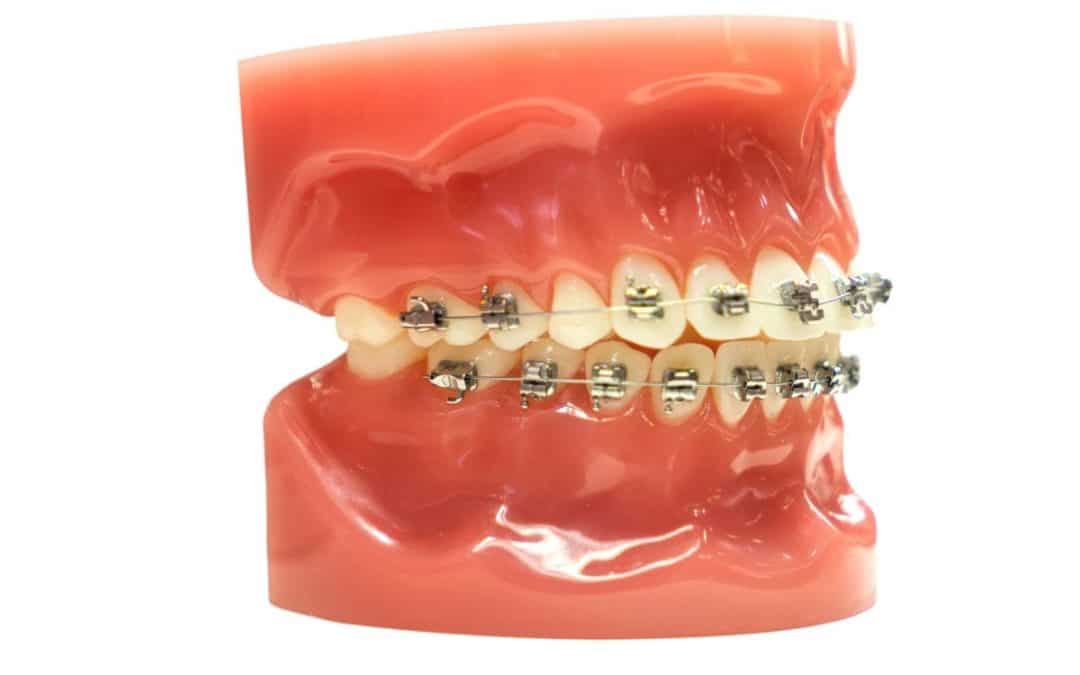
The SPEED System uses self-ligating brackets with a built-in spring clip that holds the orthodontic archwire in place. As the wire interacts with the brackets, it helps guide teeth through planned movements.
Depending on your orthodontic needs, treatment may involve:
- Aligning overlapping or crooked teeth.
- Correcting rotated teeth.
- Improving spacing within the dental arch.
- Addressing certain bite alignment concerns.
- Creating or managing space to accommodate crowded teeth.
Not every case is the same. Mild crowding may require a relatively straightforward treatment plan, while more significant crowding may need additional orthodontic techniques.
What Makes SPEED Braces Different?
Traditional braces generally use elastic or metal ligatures to secure the archwire to the brackets. SPEED braces use a specialized spring clip instead.
This is known as a self-ligating bracket system.
The spring clip helps hold the archwire in place while allowing the orthodontist to control how forces are applied during treatment.
1. A specialized spring clip
The spring clip is one of the defining features of SPEED braces. It works with the archwire to support controlled tooth movement without conventional elastic ligatures.
2. Controlled orthodontic movement
Correcting crowded teeth requires more than simply pushing them apart. Each tooth needs to move in a planned direction while the orthodontist considers the overall bite and available space.
SPEED brackets are designed to support this process.
3. Smaller bracket design
The SPEED System uses a compact bracket design. Some patients may appreciate its appearance and the way it feels in the mouth.
However, comfort and treatment experience vary between individuals.
4. No conventional elastic ties
Because the brackets have their own spring clip mechanism, conventional elastic ligatures are not needed to hold the archwire in place.
This changes how the orthodontic appliance functions, but it does not eliminate the need for regular orthodontic appointments.
How Do SPEED Braces Create Space for Crowded Teeth?
One important point about overcrowding is that teeth need sufficient room to reach their intended positions.
SPEED braces help move teeth, but they do not automatically create unlimited space in the dental arch. Your orthodontist must determine how to manage the available space safely.
Depending on your condition, several approaches may be considered.
Interproximal reduction (IPR)
IPR involves carefully removing a very small amount of enamel from selected areas between teeth. This can create limited additional space for alignment when clinically appropriate.
Dental arch development
In selected cases, orthodontic treatment may involve changing the shape or width of the dental arch within appropriate anatomical limits.
Whether this approach is suitable depends on your teeth, jaw structure, and overall treatment goals.
Tooth extraction
When crowding is significant and there is insufficient room to align all the teeth appropriately, removing one or more teeth may sometimes be recommended.
Extraction is not necessary for everyone. The decision depends on the individual’s orthodontic condition and treatment plan.
Your orthodontist will explain the advantages and limitations of each approach before treatment begins.
Are SPEED Braces Suitable for Mild and Severe Crowding?
SPEED braces may be suitable for different levels of dental crowding, but the treatment plan can vary considerably.
Mild crowding: When teeth overlap slightly, treatment may focus on repositioning individual teeth and improving overall alignment.
Moderate crowding: More planning may be needed to manage space and coordinate the upper and lower dental arches.
Severe crowding: Significant overlapping or displacement may require additional space-management techniques. In some situations, an alternative or more comprehensive treatment approach may be appropriate.
The severity of crowding alone does not determine whether SPEED braces are suitable. Your orthodontist also needs to assess your bite, gum health, jaw relationship, and the position of individual teeth.
How Long Does It Take to Fix Crowded Teeth With SPEED Braces?
Treatment time varies from patient to patient. There is no universal timeline for correcting crowded teeth with SPEED braces.
Several factors can influence the duration:
- Severity of crowding: More complicated alignment concerns may require additional treatment.
- Available space: The orthodontist must determine how to position teeth safely.
- Bite problems: Correcting an uneven bite may add complexity.
- Biological response: Teeth move gradually as the surrounding bone remodels.
- Appointment consistency: Attending scheduled visits helps your orthodontist monitor progress.
- Oral hygiene and appliance care: Keeping the teeth and braces in good condition supports treatment.
Although the SPEED System has a specialized self-ligating design, it should not be considered a guarantee of faster results than traditional braces.
Your orthodontist can provide a more realistic treatment estimate after examining your teeth and developing a personalized plan.
Are SPEED Braces Better Than Traditional Braces for Crowded Teeth?
Both SPEED braces and traditional braces can help correct crowded teeth. The better option depends on your orthodontic needs and the treatment approach recommended by your provider.
| Feature | SPEED Braces | Traditional Braces |
| Bracket design | Self-ligating spring clip | Conventional bracket design |
| Archwire attachment | Built-in clip | Usually elastic or metal ligatures |
| Tooth movement | Controlled orthodontic forces | Controlled orthodontic forces |
| Treatment suitability | Depends on individual needs | Depends on individual needs |
| Appointment requirements | Regular monitoring | Regular monitoring |
Neither system is automatically better for every patient. The orthodontist’s treatment plan, experience, and understanding of your specific alignment concerns are important considerations.
What Should You Expect During SPEED Braces Treatment?
If your orthodontist recommends SPEED braces for crowded teeth, treatment generally follows several stages.
- Initial consultation: Your orthodontist examines your teeth, bite, and overall oral health.
- Treatment planning: Diagnostic records may be used to assess crowding and determine how to manage available space.
- Bracket placement: The SPEED brackets are attached to your teeth and connected with an orthodontic archwire.
- Progress appointments: Your orthodontist monitors tooth movement and makes adjustments when needed.
- Retention: After active treatment, retainers help maintain the corrected tooth positions.
For a closer explanation of the appliance and its mechanics, read our guide on how SPEED braces work.
How Can You Care for Crowded Teeth During Braces Treatment?
Good oral hygiene is especially important when wearing braces. Brackets and wires create additional areas where food particles and plaque can collect.
A few practical habits can help:
- Brush carefully around each bracket after meals.
- Use an interdental brush to clean between brackets and wires.
- Floss daily using a suitable orthodontic flossing aid.
- Limit hard, sticky, and chewy foods that could damage the appliance.
- Attend regular dental cleanings as recommended.
- Follow your orthodontist’s instructions about appliance care.
If a bracket becomes loose or a wire causes irritation, contact your orthodontic office for advice rather than attempting to adjust the appliance yourself.
5. Why Consider Oliver Family Orthodontics for SPEED Braces in San Antonio?
Choosing an orthodontic treatment involves more than selecting a particular type of braces. You want a treatment plan that considers your tooth alignment, bite, oral health, and long-term smile goals.
At Oliver Family Orthodontics, patients in San Antonio can explore the SPEED System as one of the available orthodontic treatment options.
The practice offers SPEED braces with a specialized self-ligating bracket design, available in metal and ceramic options. An orthodontic consultation can help determine whether this system is appropriate for your crowding concerns.
Before choosing treatment, consider discussing:
- How much crowding needs to be corrected.
- Whether additional space needs to be created.
- Which bracket option may suit your preferences.
- The estimated treatment duration.
- What retention will involve after braces are removed.
You can also discover local patient experiences and practice updates to learn more about Oliver Family Orthodontics and its patient community.
Frequently Asked Questions
1. Can SPEED braces fix overlapping front teeth?
Yes. SPEED braces can help correct overlapping front teeth by gradually repositioning them. However, the orthodontist must determine whether enough space is available and whether additional treatment steps are necessary.
2. Are SPEED braces suitable for adults with crowded teeth?
Yes, adults may be candidates for SPEED braces. Age alone does not determine suitability. Your dental health, gum condition, bite alignment, and the severity of crowding all influence the treatment recommendation.
3. Do SPEED braces require tooth extraction for overcrowding?
Not necessarily. Some patients can achieve proper alignment without extractions, while others may need additional space to correct significant crowding. Your orthodontist will evaluate your dental arch and recommend an appropriate approach.
4. Do SPEED braces move crowded teeth faster than traditional braces?
The SPEED System has a specialized self-ligating design, but this does not guarantee shorter treatment times. The complexity of crowding, tooth movement, and individual biological response all affect how long treatment takes.
5. Can crowded teeth become misaligned again after SPEED braces?
Teeth can shift after orthodontic treatment, regardless of the braces system used. Wearing retainers according to your orthodontist’s instructions is important for maintaining your results.
Conclusion: Are SPEED Braces Worth Considering for Crowded Teeth?
Crowded teeth don’t have to be a permanent concern. Orthodontic treatment can help improve tooth alignment, create a more balanced smile, and make daily cleaning easier.
SPEED braces offer a self-ligating orthodontic option that may be suitable for patients with mild, moderate, or certain more complex crowding concerns. However, the right treatment depends on the amount of available space, bite alignment, and individual dental needs.
If you’re considering SPEED braces for crowded teeth in San Antonio, Oliver Family Orthodontics can help you understand your options. Schedule an orthodontic consultation to discuss your concerns, explore the SPEED System, and find out which treatment approach may be appropriate for your smile.