
Over the past decade, clear aligners have become one of the most popular options for straightening teeth. Patients love the idea of discreet treatment, removable trays, and fewer office visits compared to traditional braces.
And for many people, they work extremely well.
But here is something most online ads and social media promotions do not tell you: not every patient is a good candidate for aligner therapy.
In fact, some orthodontic cases respond far better to braces or other forms of orthodontic treatment. Choosing the wrong treatment can lead to longer timelines, unstable results, bite problems, and unnecessary frustration.
That is why a thorough evaluation by an experienced orthodontist matters so much before starting treatment.
If you are considering clear aligners for teeth in San Antonio, this guide explains why some patients may not qualify, what factors orthodontists evaluate, and how to determine the best treatment option for your smile.
How Clear Aligners Work
Before understanding who may not qualify, it helps to understand how aligners function.
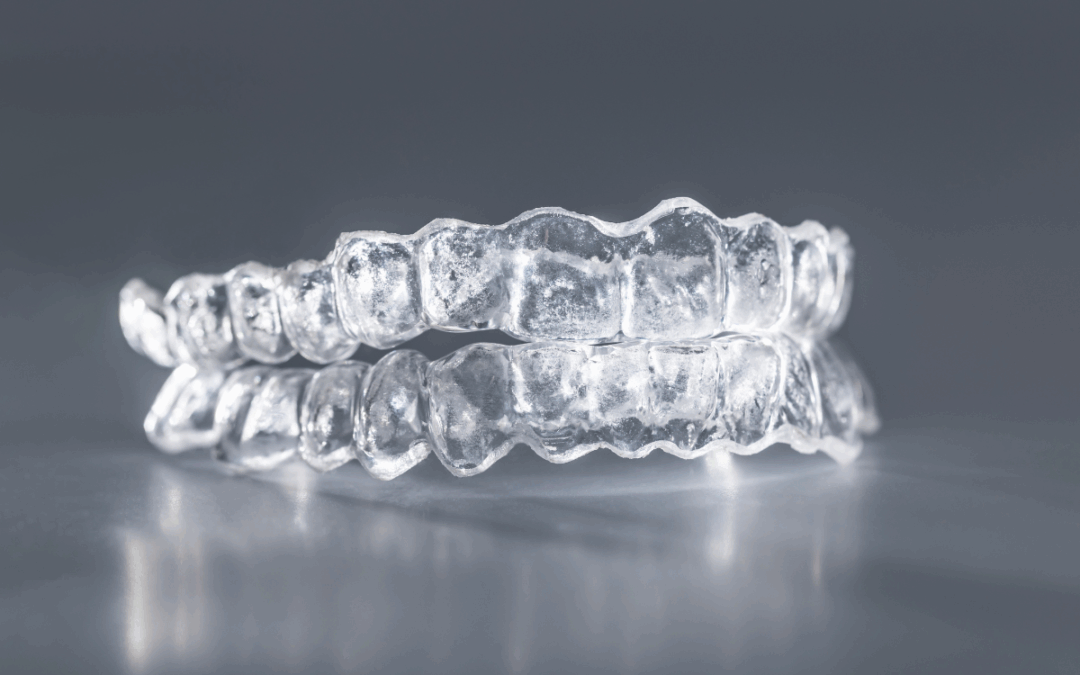
Dental aligners are custom-made plastic trays designed to gradually move teeth into improved positions over time.
Patients wear a sequence of trays, typically changing to a new set every one to two weeks.
Unlike braces, teeth aligners are removable, which means patients can:
- Eat normally
- Brush and floss more easily
- Avoid metal brackets and wires
For mild to moderate alignment concerns, clear teeth aligners can produce excellent results when treatment is carefully planned and consistently followed.
However, aligners also have limitations.
Why Not Every Case Is Suitable for Aligners
Orthodontic treatment is not just about making teeth look straight.
An experienced orthodontist evaluates:
- Bite function
- Jaw alignment
- Tooth roots
- Bone support
- Facial balance
- Long-term stability
In some cases, aligners simply cannot provide the level of control needed to safely and effectively move teeth.
This is why personalized evaluation matters far more than online marketing claims.
Severe Bite Problems
Some bite issues are too complex for aligners alone.
This may include:
- Severe overbites
- Significant underbites
- Major crossbites
- Open bites
- Jaw asymmetry
These conditions often require highly controlled tooth movement and sometimes jaw repositioning.
Traditional braces may provide:
- Better force control
- More predictable movement
- Improved bite correction
A qualified orthodontist near me will determine whether aligners can safely handle your specific bite concerns.
Severe Crowding or Tooth Rotation
Mild crowding often responds well to aligners for teeth.
However, severe crowding can be much more difficult.
Teeth that are:
- Heavily rotated
- Overlapping significantly
- Trapped beneath other teeth
may require more complex mechanics than aligners can consistently provide.
In these situations, braces often allow more precise tooth control and faster results.
A skilled orthodontist focuses not just on cosmetic improvement, but on achieving stable alignment that functions properly long term.
Poor Patient Compliance
One of the biggest challenges with clear aligners is compliance.
Aligners only work when worn consistently, typically:
- 20 to 22 hours daily
Patients who:
- Frequently remove trays
- Forgot to wear them
- Lose aligners regularly
often experience delayed or compromised results.
This is especially important for:
- Younger teens
- Busy adults
- Patients with inconsistent routines
Unlike braces, aligners rely heavily on patient responsibility.
An experienced orthodontist carefully evaluates lifestyle habits before recommending aligner therapy.
Advanced Gum Disease or Bone Loss
Healthy gums and bone support are essential for safe tooth movement.
Patients with:
- Periodontal disease
- Significant bone loss
- Gum recession
- Untreated oral infections
may not be ideal candidates for clear aligners for teeth until their periodontal health is stabilized.
Moving teeth in unhealthy bone can worsen damage and compromise long-term outcomes.
This is why comprehensive exams are critical before beginning any orthodontic treatment.
Impacted Teeth or Complex Eruption Problems
Some patients have teeth that:
- Never erupted properly
- Became trapped beneath the gums
- Grew at unusual angles
These impacted teeth often require:
- Surgical exposure
- Specialized orthodontic mechanics
- More controlled force systems
Traditional braces frequently provide better management for these cases than removable dental aligners.
Severe Jaw Alignment Problems
Sometimes the issue is not primarily the teeth, but the jaws themselves.
Patients with significant skeletal discrepancies may need:
- Growth modification
- Orthodontic appliances
- Orthognathic surgery in severe adult cases
While clear teeth aligners can improve tooth alignment cosmetically, they may not adequately address underlying skeletal concerns.
A trusted orthodontist near me evaluates the entire facial structure, not just the visible teeth.
Patients With Large Restorations or Dental Work
Patients with:
- Multiple crowns
- Bridges
- Dental implants
- Extensive restorations
may face limitations with aligner therapy.
Because implants cannot move like natural teeth, treatment planning becomes more complex.
Some restorations also affect how aligners grip the teeth and apply force.
An experienced orthodontist coordinates treatment carefully to avoid damaging existing dental work.
Patients Seeking Very Fast Results
Some patients choose aligners expecting instant cosmetic improvement.
In reality, treatment timelines vary significantly depending on complexity.
For certain cases, braces may actually:
- Work faster
- Move teeth more predictably
- Require fewer refinements
A qualified orthodontist prioritizes long-term stability over unrealistic speed expectations.
Why Personalized Treatment Planning Matters
No two smiles are identical.
This is why treatment decisions should never be based solely on:
- Social media trends
- Online ads
- DIY aligner companies
- Cosmetic promises
Safe and effective orthodontic treatment requires:
- Digital imaging
- Bite analysis
- Jaw evaluation
- Root positioning assessment
- Long-term stability planning
A personalized evaluation helps determine whether clear aligners are the best option for your specific needs.
Are Clear Aligners Still Effective for Many Patients?
Absolutely.
For appropriately selected cases, clear aligners for teeth offer many benefits:
- Discreet appearance
- Improved comfort
- Easier oral hygiene
- Fewer dietary restrictions
- Convenient treatment
The key is making sure the treatment matches the patient.
A knowledgeable orthodontist focuses on choosing the right tool for the right case.
Questions to Ask During Your Orthodontic Consultation
If you are considering aligners, ask:
- Am I a good candidate for aligners specifically?
- Would braces provide better results?
- What are the limitations of aligners in my case?
- How long will treatment realistically take?
- What happens if compliance becomes difficult?
A trustworthy provider will explain all available options honestly rather than automatically recommending aligners for every patient.
Why Choosing the Right Orthodontist Matters
Successful treatment depends heavily on the experience of the provider.
An experienced orthodontist understands:
- Tooth movement biology
- Bite function
- Facial balance
- Long-term stability
- Treatment limitations
If you are researching an orthodontist near me, choose a practice that prioritizes comprehensive diagnosis and personalized treatment planning rather than one-size-fits-all cosmetic solutions.
The Best Treatment Is the One That Fits Your Needs
Clear aligners can be life-changing for the right patient. But they are not the ideal solution for everyone.
The goal of orthodontic care is not just straighter teeth. It is achieving a healthy bite, stable alignment, proper function, and long-term oral health.
At Oliver Family Orthodontics, our team provides personalized evaluations designed to determine the safest and most effective treatment for your unique smile. Whether you are a candidate for clear aligners, braces, or another form of care, we focus on honest recommendations and exceptional long-term results.
Call Oliver Family Orthodontics today to schedule your consultation and discover the orthodontic treatment option that is truly right for you.
FAQs
Can severe overbites be treated with clear aligners?
Some mild to moderate overbites respond well to aligners, but severe bite problems may require braces or additional orthodontic treatment.
Why do some orthodontists recommend braces instead of aligners?
Braces can provide more precise control for complex tooth movement, severe crowding, and jaw alignment issues.
What happens if I do not wear my aligners enough?
Inconsistent wear can delay treatment, reduce effectiveness, and lead to poor alignment results.
Are clear aligners effective for adults with crowns or implants?
Possibly, but treatment planning becomes more complex because implants cannot move like natural teeth.
How do I know if I am a candidate for clear aligners?
A comprehensive evaluation by an orthodontist is the best way to determine whether aligners are appropriate for your specific case.