
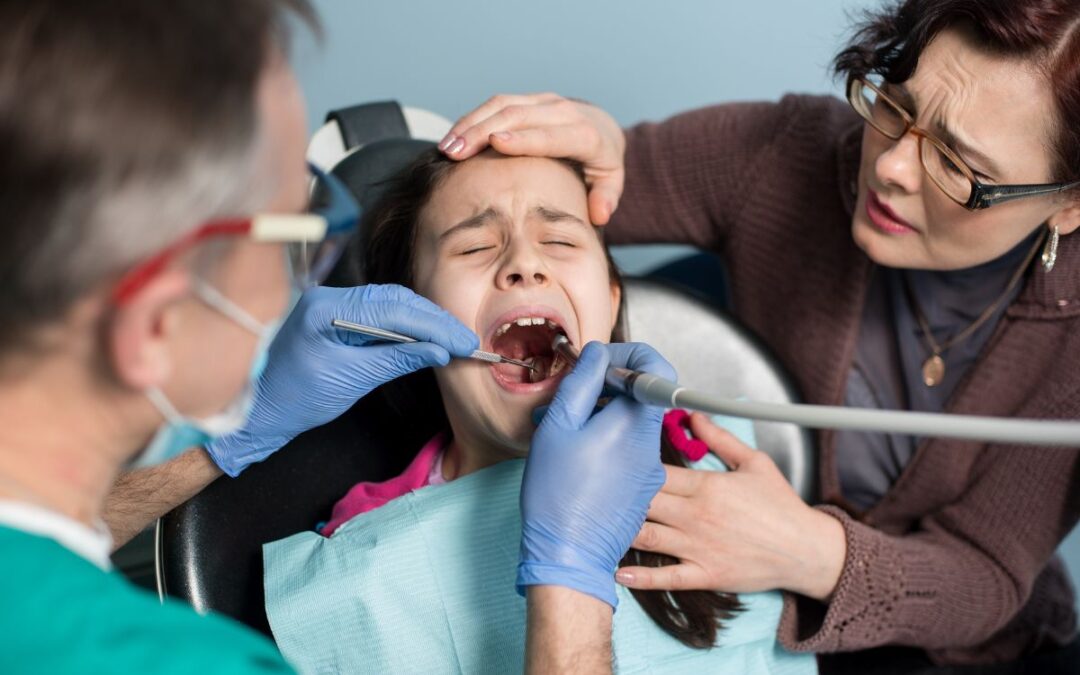
Getting braces—whether traditional, Clear, or Invisalign—is an exciting step toward a healthier, more confident smile. But sometimes, unexpected issues can arise during your orthodontic journey.
So, what is considered an orthodontic emergency?
It’s any situation involving your braces or aligners that causes severe pain, infection, trauma, or a serious disruption to your treatment and requires immediate attention from a professional orthodontist or emergency orthodontist.
In this guide, the team at Oliver Family Orthodontics in San Antonio, TX, will help you recognize true orthodontic emergencies, provide home care tips, and explain when to contact an orthodontist near me for expert care. Our experienced orthodontists are specially trained to manage urgent situations and ensure you receive the necessary guidance during emergencies.
Orthodontic Emergencies vs. Orthodontic Urgency
Understanding the difference between an orthodontic emergency and an urgency is crucial:
- Emergency: Immediate care needed. Examples include severe pain, mouth trauma, swelling, bleeding, or infection. These situations demand orthodontic emergency care or even a trip to the emergency room.
- Urgency: Uncomfortable but not dangerous. These can usually wait a day or two. Examples: a loose bracket or poking wire causing mild discomfort.
Still unsure “what is a true orthodontic emergency?” Call your emergency orthodontist, and they’ll advise you on the next steps.
What is a True Orthodontic Emergency?
Knowing how to respond to an issue can make all the difference and help with orthodontic emergency care. Here are standard braces emergencies and tips for San Antonio orthodontic emergencies home care:
Orthodontic Emergency Care for Broken Braces or Loose Brackets
Applies to: Traditional Braces, Clear Braces, Self-Ligating Braces
- Symptoms: Bracket detaches or shifts from the tooth.
- Home Care: Use orthodontic wax to stabilize. If it’s still attached, gently reposition.
- Call your orthodontist as soon as possible for reattachment and proper orthodontic emergency care.
Protruding or Broken Wires
Applies to: Metal Braces, Clear Braces
- Symptoms: Wire pokes cheeks/gums.
- Home Care: Gently push it flat with a clean pencil eraser. Cover with wax. Carefully clip with sterilized nail clippers if necessary.
- Call Your Orthodontist: If you can’t manage the discomfort or need help from an emergency orthodontist.
Loose Bands or Spacers
- Home Care: Try to reposition. If it falls out, save it in a clean bag.
- Call Your Orthodontist: To replace and secure.
Lost or Broken Invisalign Aligners
Applies to: Patients undergoing clear aligner treatments
- Home Care: Wear your previous aligner to prevent shifting. Save broken pieces.
- Call Your Orthodontist Immediately: A replacement must be ordered quickly.
Severe Pain or Discomfort
- Differentiate from normal soreness after adjustments.
- Home Care: Take OTC pain relievers, rinse with warm saltwater, and eat soft foods.
- Call your orthodontist if the pain is intense or lasts beyond 2 days, as this may require orthodontic emergency care.
Swelling, Infection, or Abscess
- Symptoms: Swollen gums, pus, fever – a critical emergency.
- Home Care: Rinse with warm saltwater.
- Call Your Orthodontist or visit the Emergency Room Immediately for urgent orthodontic emergency care.
Trauma to the Mouth or Teeth
- Examples: Sports injury or accident
- Home Care: Apply a cold compress to reduce swelling.
- Call an emergency orthodontist or go to the ER immediately for proper care.
Swallowed Orthodontic Appliance
- Extremely rare, but dangerous.
- If choking or breathing issues occur, go to the emergency room immediately.
Prevention is Key: Minimizing Orthodontic Emergencies
Most orthodontic emergencies are avoidable with smart habits:
- Watch Your Diet: Avoid hard candies, sticky gum, popcorn, nuts, and crunchy foods.
- Wear a Mouthguard: Especially during contact sports to prevent trauma.
- Maintain Good Hygiene: Brush and floss daily to avoid infections or complications.
- Follow Instructions: Wear your elastics, retainers, or clear aligners in San Antonio exactly as prescribed.
- Attend Regular Check-Ups with your orthodontist to catch issues early.
When to NOT Worry: Normal Discomfort and Minor Issues
Not every sensation is an emergency.
Mild soreness after adjustments or initial aligner wear is completely normal. Use wax for small irritations, and give your mouth time to adapt.
If you’re unsure whether you’re experiencing a braces emergency or something minor, a quick call to your orthodontist near me can give you peace of mind.
The Importance of Prompt Action and Consulting Your Orthodontist
Don’t ignore pain or damage. Prompt action ensures:
- Your treatment timeline stays on track
- Oral health isn’t compromised
- You avoid further complications
Your orthodontist is trained to provide orthodontic emergency care and will guide you with care, clarity, and compassion.
Never hesitate to contact your orthodontic office, especially regarding orthodontic emergencies.
Looking for San Antonio Orthodontic Emergency Care?
Recognizing “what is an orthodontic emergency” empowers you to take swift, informed action to protect your smile. Whether you’re undergoing treatment with braces, clear braces, or Invisalign, knowing when to seek help can make all the difference.
At Oliver Family Orthodontics, we’re more than just your emergency orthodontist or go-to orthodontist near me—we’re your dedicated partner in maintaining a healthy, confident smile throughout every stage of your treatment.
If you have an urgent issue or questions about your care, don’t wait. Contact Oliver Family Orthodontics at 210-969-9909 today for trusted, compassionate guidance on orthodontic emergencies from your local experts.
FAQs
Q. Is a Bracket Coming Off an Orthodontic Emergency?
A: No, a loose or broken bracket is not an emergency. If your next appointment is within 2 weeks, it can be fixed. Use orthodontic wax to keep it in place until your visit.
Q. Is a Broken bracket an Orthodontic Emergency?
A: Not always. It becomes an emergency if the wire causes significant pain, bleeding, or can’t be safely repositioned. Otherwise, temporary relief measures can be used until your next visit.
Q. How Long is it alright to Wear Braces with a Bracket Popped Off?
A: It’s not a critical emergency. You can usually wait until your next scheduled appointment, but be sure to book it promptly for a timely repair.
Q. What Should I do if I Need Emergency Care for Broken Braces?
A: If your braces break, rinse your mouth to remove any loose parts, use orthodontic wax to cover sharp edges, and contact your orthodontist immediately for emergency care.