

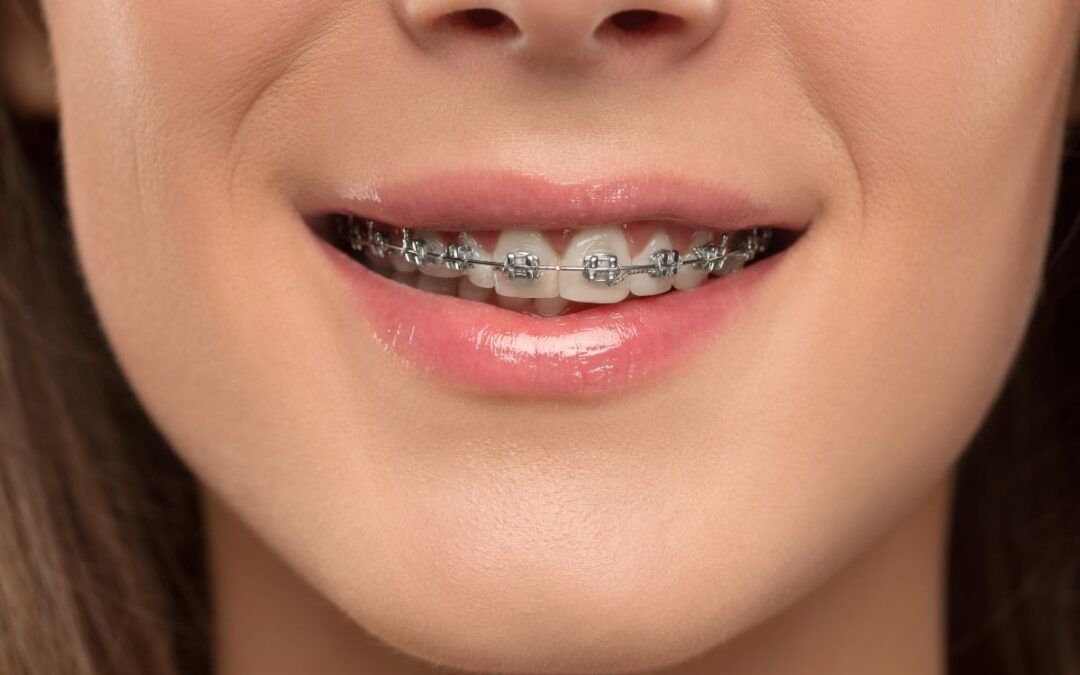
Getting braces doesn’t mean putting your normal life on hold. You can still play sports, exercise, spend time with friends, play music, go to school or work, and enjoy plenty of the foods you like. You may just need to make a few adjustments along the way.
If you’re wondering about the things to do with braces, the biggest change is usually learning how to protect your brackets and wires while taking better care of your teeth. With a little preparation, most people can continue doing the activities they enjoy throughout orthodontic treatment.
Here’s what to know about life with braces.
Can You Play Sports With Braces?
Yes. Having braces generally doesn’t mean you have to stop playing sports.
Whether you’re playing soccer, basketball, baseball, football, hockey, volleyball, or another activity, the important consideration is protecting your teeth, brackets, and the soft tissues inside your mouth.
A mouthguard is especially helpful for sports where there’s a risk of contact or impact. A properly fitted orthodontic mouthguard can help protect your teeth and reduce the chance of your braces irritating your lips and cheeks during play.
If you participate in a contact sport, ask your orthodontic team which type of mouthguard is appropriate for your braces. Your orthodontist may have specific recommendations based on your appliance and treatment.
And don’t forget the basics: follow the safety rules for your sport, wear the protective equipment your activity calls for, and tell your orthodontist about any significant impact to your mouth.
Can You Exercise With Braces?
For most people, braces don’t prevent normal exercise.
You can generally continue activities such as:
- Running or jogging
- Walking and hiking
- Cycling
- Swimming
- Weight training
- Dance
- Yoga
- Fitness classes
Braces themselves don’t require you to stop being active. The main consideration is whether your particular activity creates a risk of injury to your mouth.
If you notice a problem with a bracket or wire after exercising or participating in a sport, don’t try to bend or remove orthodontic components yourself. Contact your orthodontic office for instructions.
Can You Play a Musical Instrument With Braces?
You don’t necessarily have to give up music while wearing braces.
Some people play wind or brass instruments and sing throughout orthodontic treatment. At first, the braces may feel unfamiliar, particularly if your lips or cheeks have to adjust to the brackets. Your playing or singing may feel slightly different until you get used to the new sensation.
Give yourself some practice time rather than assuming you won’t be able to play normally.
If you play an instrument professionally or have an important performance coming up, mention it during your orthodontic appointments. Your orthodontic team can help you understand what to expect and how to manage any irritation.
What Can You Eat With Braces?
One of the biggest adjustments for new braces patients is learning which foods are easier or harder to eat.
You don’t have to live on soft foods for your entire treatment. However, certain foods can increase the risk of damaging a bracket or orthodontic wire.
Your orthodontist may recommend avoiding or limiting foods that are:
- Very hard
- Sticky
- Chewy
- Extremely crunchy
- Difficult to bite into directly
Examples may include hard candy, chewing gum, ice, and foods that require a lot of force to bite through.
Some foods can also be made easier to eat by cutting them into smaller pieces. Instead of biting directly into a whole apple or a hard sandwich, for example, you may find it more comfortable to cut food into manageable pieces.
The exact recommendations can vary depending on your braces and treatment plan, so follow the instructions provided by your orthodontic team.
What Happens If You Accidentally Eat Something You Shouldn’t?
Don’t panic.
Eating one food that wasn’t recommended doesn’t automatically mean you’ve damaged your braces. Check your brackets and wires afterward. If something feels loose, broken, or unusually uncomfortable, contact your orthodontist.
The bigger goal is to develop habits that reduce the chance of repeated damage during treatment.
Keep Your Teeth Clean While You Have Braces
One of the most important things you can do while you have braces is take your oral hygiene routine seriously.
Brackets and wires create additional areas where food particles and plaque can collect. That means brushing around the brackets and along the gumline takes a little more attention than it did before treatment.
A good daily routine should include:
- Brushing your teeth thoroughly as directed by your dental and orthodontic team
- Cleaning around brackets and wires carefully
- Cleaning between teeth where recommended
- Paying attention to the gumline
- Following any additional hygiene instructions from your orthodontist
- Continuing regular dental checkups and preventive care
Don’t wait until your next orthodontic appointment if you’re having persistent problems keeping your teeth clean. Your orthodontist or dentist can help you improve your technique.
Can You Still Go to School, Work, and Social Events?
Absolutely.
Braces don’t prevent you from attending school, working, traveling, meeting friends, going to concerts, or participating in everyday activities.
The first few days after getting braces or having an adjustment may feel different. Your teeth or mouth can be sensitive, and your lips and cheeks may need some time to get accustomed to the appliances.
That doesn’t mean you’ll feel uncomfortable throughout your entire treatment.
Most patients simply learn their own routines. You figure out which foods are easiest to eat, how to clean your braces efficiently, and what helps you feel comfortable after an appointment.
What About Clear Braces?
If you’re interested in orthodontic treatment but are concerned about the appearance of traditional metal brackets, there are less noticeable options to discuss with an orthodontist.
Clear braces options in San Antonio use tooth-colored or clear ceramic brackets designed to be less noticeable than traditional metal braces. Whether they’re appropriate for you depends on your orthodontic needs, treatment plan, and preferences.
Clear braces are still braces, so many of the same care principles apply. You’ll still need to protect the appliances, follow your orthodontist’s food recommendations, and maintain good oral hygiene.
The best treatment isn’t necessarily the least noticeable option. An orthodontic evaluation can help determine which approach makes sense for your teeth and bite.
What Should You Do If a Bracket or Wire Breaks?
A loose bracket or irritating wire can be unsettling, but it doesn’t always mean you need emergency care.
If a bracket comes loose, a wire shifts, or an appliance is causing significant irritation, contact your orthodontic office. Explain what happened and follow the instructions you’re given.
Until you can get professional guidance:
- Avoid foods that could make the problem worse.
- Don’t pull or cut orthodontic components unless your orthodontist specifically tells you to.
- If a wire is irritating your cheek, ask your orthodontic team what you should do.
- If you experience a serious injury to your mouth or face, seek appropriate urgent medical or dental care.
It’s better to ask than to try to fix orthodontic appliances yourself.
A Few Simple Habits Make Braces Easier
The first week with braces can feel like a lot to remember. After a while, most of these habits become routine.
Keep your orthodontic appointments, follow your treatment instructions, protect your mouth during sports, be thoughtful about foods that can damage your appliances, and stay consistent with oral hygiene.
And if something doesn’t feel right, ask.
Your orthodontic team would rather answer a question early than have a small problem turn into a larger one.
Frequently Asked Questions About Things to Do With Braces
Can I play sports while wearing braces?
Yes. Most people can continue playing sports while undergoing orthodontic treatment. For activities involving contact or a risk of impact, ask your orthodontist about using an appropriate mouthguard.
Can I eat normally with braces?
You can eat many of the foods you normally enjoy, but you’ll need to avoid or modify certain hard, sticky, chewy, or crunchy foods that may damage brackets or wires. Follow the specific food instructions given by your orthodontist.
Can I play an instrument with braces?
In many cases, yes. Wind and brass instruments may feel different at first because your lips and mouth need time to adjust to the brackets. With practice, many patients continue playing during treatment.
Can I exercise with braces?
Yes. Braces generally don’t prevent normal exercise. If your activity involves a risk of facial or dental injury, use the appropriate protective equipment.
What should I do if my braces break?
Contact your orthodontic office and explain what happened. Avoid trying to repair or remove orthodontic components yourself unless your orthodontist instructs you to do so.
Are clear braces easier to live with than metal braces?
Clear braces are designed to be less noticeable, but they still require careful cleaning and protection. Whether clear braces are a good option depends on your orthodontic needs and treatment plan.
Life With Braces Doesn’t Have to Feel Complicated
The goal of braces is to gradually move your teeth and improve your bite, but that doesn’t mean everyday life has to stop while you’re in treatment.
You can stay active, play sports, make music, exercise, attend school or work, and enjoy many of your favorite foods. The key is knowing how to protect your braces and keep your teeth clean.
If you’re considering orthodontic treatment in San Antonio and want to learn whether traditional or less noticeable options may fit your needs, an orthodontic evaluation is a good place to start. Oliver Family Orthodontics offers orthodontic care for children, teens, and adults, including clear braces.