
“How Do Self-Ligating Braces Work?”
Follow the article to understand how self-litigating braces work and if your next consultation with an orthodontist in San Antonio, TX, will include the conversation related to “self-ligating braces in San Antonio.”
If you’re dreaming of a straighter smile, the idea of bulky metal braces and painful adjustments might give you pause. Countless patients have delayed treatment because they feared the discomfort and hassle of traditional brackets.
You may wonder if there is a better way to get a healthy, beautiful smile without dealing with “train tracks” on your teeth. Good news: there is.
At Oliver Family Orthodontics, your trusted orthodontist in San Antonio, we introduce you to an advanced option in modern orthodontics: self-ligating braces. This guide’ll explain precisely how they work, why they matter, and how to determine if they’re your perfect match.
What Are Self-Ligating Braces?
Self-ligating braces are a modern alternative to traditional metal braces, offering a more comfortable and efficient orthodontic treatment. Unlike conventional systems that use elastic bands, self-ligating braces feature a built-in clip that holds the archwire in place. This reduces friction and makes it easier for teeth to move into alignment with fewer adjustments.
If you’re considering ligating braces, they can be a great option for faster treatment and easier cleaning. Patients looking for braces in San Antonio often prefer self-ligating braces for their sleek design, improved comfort, and reduced number of office visits.
The Problem with Old-School Braces
Traditional braces use colored or clear elastic ties to hold the wire in place. They’ve helped millions, but they come with baggage:
- Friction and Discomfort: The rubber ties create pressure and friction, making adjustments more painful.
- More Visible: The ties can stain over time and draw more attention to your braces.
- Hygiene Hassle: Ties trap food and plaque, increasing your risk of cavities.
- Lengthy Appointments: Adjusting or replacing ties takes more time during check-ups.
For many, these drawbacks create stress that overshadows the excitement of finally fixing their smile.
A Modern Solution: The Magic of Self-Ligating Braces
Now, imagine dental braces self-ligating—without the tiny rubber bands. That’s the innovation behind self-ligating braces.
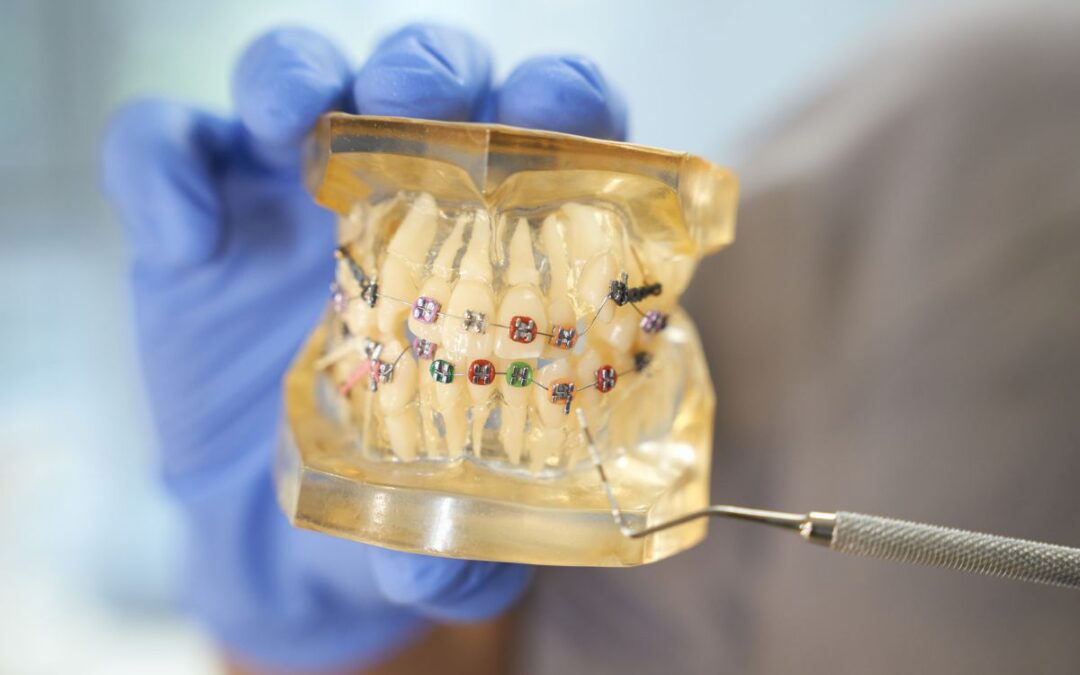
These braces use a small, built-in door or clip—like a sliding window—that holds the archwire in place. Think of it like replacing a knot with a smooth, sliding mechanism. This reduces friction and allows for gentler, more efficient tooth movement.
There are two types:
- Passive self-ligating brackets: Use smaller clips, creating minimal friction for initial tooth movement.
- Active self-ligating brackets: Use clips that apply more pressure as needed during treatment.
You can even choose from metal self-ligating braces or ceramic self-ligating braces for a more discreet look.
Benefits of Self-Ligating Braces
Let’s break down the advantages of self-ligating braces in orthodontics:
- More Comfortable: The sliding mechanism applies less pressure and eliminates the pinching of elastic ties.
- Faster Treatment Time: Less friction means teeth can move more efficiently, possibly shortening your time in braces.
- Fewer, Quicker Appointments: Without elastic ties, visits are shorter and less frequent.
- Easier to Clean: No ties = fewer plaque traps, making oral hygiene simpler and more effective.
- Discreet Options Available: Choose self-ligating braces, ceramic for a subtle, nearly invisible look.
Whether comparing self-ligating braces vs conventional braces or exploring self-ligating metal braces, the results speak for themselves.
Real-Life Comfort: How Self-Ligating Braces Simplify Daily Life
Orthodontic care shouldn’t interfere with your day-to-day life. Here’s how self-ligating braces support your lifestyle—no matter your age.
Adults: Confidence Without Compromise
Busy professionals don’t have time for extra appointments or painful adjustments.
- Discreet Design: Options like ceramic braces, self-ligating, keep your treatment low-profile in social and work settings.
- Minimal Disruption: Fewer orthodontic visits and shorter appointments mean less time off from work.
- More Comfort: No elastic ties = less soreness after adjustments.
- Better Hygiene: Easier to clean, especially for on-the-go adults.
Teens: Style Meets Simplicity
Teens want results, not restrictions.
- Less Noticeable: Self-ligating metal braces have a smaller profile and look cleaner without elastics.
- Less Pain, Less Fuss: Teens experience gentler, more predictable movement.
- Hygiene Wins: Better brushing means fewer lectures from parents or dentists.
- Fewer Emergencies: No ties to break = fewer surprise trips to the orthodontist.
Kids: Comfortable Start to a Healthy Smile
For younger children needing early intervention or surgical orthodontics in San Antonio, TX, gentler options matter.
- Smooth, Gentle Movement: Less pressure reduces pain and anxiety.
- Encourages Better Brushing: Easier to keep clean while kids build habits.
- Simplified Visits: Faster check-ups are ideal for short attention spans.
- Fewer Repairs: More durable than systems with rubber ties.
Self-ligating braces don’t just fix teeth—they simplify life.
A Quick Self-Check: Are Self-Ligating Braces Right for You?
Wondering if this system is the right fit? Ask yourself:
- Do you want a more comfortable treatment experience?
- Is reducing your total treatment time important to you?
- Are you looking for a more discreet look than traditional braces?
- Do you want a system that’s easier to clean and maintain?
- Are you interested in the latest advancements from a trusted San Antonio orthodontist?
If you answered “yes” to any of these, self-adjusting braces may be the answer.
Self-Ligating Braces vs. Traditional Braces
| Feature | Self-Ligating Braces | Traditional Braces |
|---|---|---|
| Bracket Mechanism | Built-in sliding clip holds the wire (no elastic ties) | Elastic ties hold the wire in place |
| Friction & Force | Low friction allows lighter, more efficient tooth movement | Higher friction requires a stronger force for movement |
| Comfort | Generally more comfortable due to reduced pressure | May cause more discomfort from tighter forces and friction |
| Treatment Time | Often shorter due to efficient tooth movement | May take longer with more resistance and adjustments |
| Appointments | Fewer visits needed; fewer adjustments required | More frequent visits to change elastic ties |
| Oral Hygiene | Easier to clean (no elastic ligatures trapping debris) | Harder to clean due to plaque-trapping elastic ties |
| Convenience | More streamlined and modern orthodontic option | Traditional and widely used, but less efficient in some cases |
If you’re comparing self-ligating braces vs traditional braces or debating conventional vs. self-ligating brackets, the modern self-ligating option offers greater comfort, fewer appointments, and faster results. For many patients, self-ligating vs traditional braces comes down to lifestyle preference and treatment needs.
Active Ligating Brackets vs. Self-Ligating Brackets
| Feature | Active Ligating Bracket | Self-Ligating Bracket |
|---|---|---|
| Mechanism | Uses elastic or metal ties to hold the wire | Built-in clip or door holds the wire |
| Friction | Higher due to ties | Lower, allows smoother movement |
| Comfort | May cause more pressure and discomfort | Generally more comfortable |
| Oral Hygiene | Ties can trap food and plaque | Easier to clean, fewer traps |
| Adjustment Visits | May require more frequent tightening | Often fewer and quicker visits |
Are Self-Ligating Ceramic Braces Right for You?
Ready to transform your smile with comfort and confidence?
Schedule a consultation with Oliver Family Orthodontics today. Our expert team will evaluate your needs and help you discover whether self-bracers are the right solution.
Self-ligating braces aren’t just a new trend—they’re a smarter approach to orthodontics that prioritizes your time, comfort, and hygiene.
Don’t let the fear of painful, high-maintenance braces keep you from the confident smile you deserve. With self-ligating technology, your treatment can be faster, cleaner, and more comfortable than ever.
At Oliver Family Orthodontics, we’re proud to offer personalized solutions that match your lifestyle. Straightening your teeth should never mean putting your life on hold.
FAQs
Q. Are Self-Ligating Braces More Effective?
A: No such proven reports establish the advantage of self-ligating braces over any other orthodontic treatments. However, self-ligating braces are mostly considered for ease of life by individuals as an orthodontic treatment.
Q. How Long Does it take for Self-Ligating Braces to Work?
A: Self-ligating braces typically require the same 12 to 30 months to achieve results as traditional braces, and appointment durations are also similar.
Q. Do Self-Ligating Braces Tighten on Their Own?
A: No—they don’t tighten automatically, but their sliding mechanism reduces friction, requiring fewer manual adjustments.
Q. Do Clip on Braces Work?
A: Clip-on braces are mostly cosmetic. They can improve the look of your smile temporarily but don’t actually move or straighten teeth like real braces.
Q. Why Do Some Braces Have Rubber Bands?
A: Rubber bands on braces help correct the alignment of your bite by adjusting how your upper and lower teeth fit together. They add extra force to move teeth into the right position for a balanced, healthy smile.