

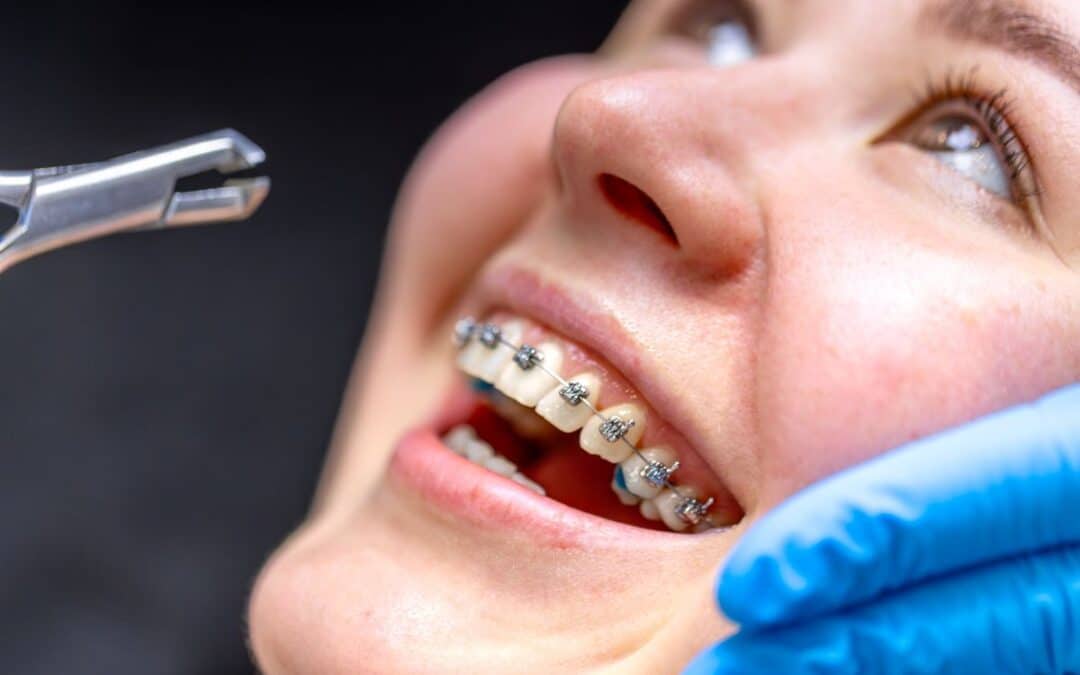
If you’ve ever wondered how braces work, you’re not alone. Many children, teens, and adults consider orthodontic treatment to improve their smile, but they may not fully understand what happens during the process.
Braces have helped millions of people achieve straighter teeth and healthier bites. Whether you’re considering treatment for yourself or your child, understanding the basics can make the journey feel much less intimidating. If you’re exploring options for braces in San Antonio, this beginner-friendly guide explains everything you need to know.
Braces work by applying gentle, continuous pressure to teeth over time. This pressure gradually moves teeth into better positions while the jawbone naturally reshapes around them. Orthodontic adjustments help guide tooth movement, improving alignment, bite function, and overall oral health.
What Are Braces?
Braces are orthodontic appliances designed to correct problems such as:
- Crooked teeth
- Crowded teeth
- Gaps between teeth
- Overbites
- Underbites
- Crossbites
- Open bites
A properly aligned smile doesn’t just improve appearance. Straight teeth are often easier to clean, which may reduce the risk of cavities and gum disease.
How Braces Work to Move Teeth
Understanding how braces work starts with knowing how teeth are attached to your jawbone.
Each tooth is connected to the surrounding bone by a ligament called the periodontal ligament. When braces apply pressure to a tooth, the bone on one side gradually breaks down while new bone forms on the opposite side. This natural process allows the tooth to move safely into its new position.
The Main Components of Braces
Brackets
Brackets are small attachments bonded directly to the front of each tooth. They act as anchors for tooth movement.
Archwire
The archwire connects all the brackets together. This wire creates the gentle force needed to guide teeth into alignment.
Bands and Elastics
Some patients require rubber bands or elastic components to correct bite issues and improve jaw alignment.
Why Tooth Movement Takes Time
Teeth cannot move instantly. The surrounding bone needs time to remodel and adapt. That’s why orthodontic treatment typically takes several months to a few years, depending on the complexity of the case.
The Step-by-Step Braces Process
Initial Orthodontic Consultation
The first step is a comprehensive orthodontic evaluation. Your orthodontist will:
- Examine your teeth and bite
- Take digital images or X-rays
- Discuss treatment goals
- Create a customized treatment plan
Placement of Braces
Once treatment begins, brackets are bonded to the teeth and connected with an archwire.
Most patients experience mild pressure or soreness for a few days after placement.
Regular Adjustment Appointments
Throughout treatment, you’ll visit your orthodontist periodically for adjustments.
During these appointments:
- Wires may be tightened or replaced
- Elastics may be added
- Progress is monitored
- Treatment is adjusted as needed
Teeth Gradually Move Into Position
Over time, the controlled pressure moves teeth into healthier alignment and improves bite function.
Retention Phase
After braces are removed, retainers help maintain your new smile and prevent teeth from shifting back.
Benefits of Braces
Orthodontic treatment offers more than cosmetic improvements.
Some key benefits include:
- Straighter, more attractive smile
- Improved bite function
- Easier brushing and flossing
- Better speech in some cases
- Reduced wear on teeth
- Enhanced long-term oral health
Many patients also report increased confidence after treatment.
Are There Any Risks Associated With Braces?
Braces are considered a safe and effective treatment when supervised by a qualified orthodontist.
However, patients should be aware of potential challenges:
- Temporary soreness after adjustments
- Mild irritation of cheeks and lips
- Difficulty cleaning around brackets
- Increased risk of plaque buildup if oral hygiene is neglected
Following your orthodontist’s instructions can help minimize these concerns.
Caring for Your Teeth While Wearing Braces
Proper care is essential for successful treatment.
Brush Carefully
Brush after meals using a soft-bristled toothbrush and fluoride toothpaste.
Floss Daily
Special orthodontic flossers or floss threaders can help clean between teeth and wires.
Avoid Certain Foods
Try to avoid:
- Hard candies
- Ice
- Sticky caramel
- Chewing gum
- Popcorn kernels
These foods may damage brackets or wires. Choosing braces-friendly meals can help protect your orthodontic appliances and make treatment more comfortable. For helpful meal and snack ideas, check out our guide on best foods for kids with braces.
Attend All Appointments
Regular checkups allow your orthodontist to keep treatment on track.
Who Is a Good Candidate for Braces?
Braces can benefit patients of nearly all ages.
Common candidates include:
- Children with developing bite issues
- Teenagers with alignment concerns
- Adults seeking orthodontic correction
Modern orthodontic treatment options have made it easier than ever for adults to achieve a straighter smile.
Frequently Asked Questions
How long do braces take to straighten teeth?
Most patients wear braces for 12 to 36 months. Treatment length depends on the severity of alignment issues, age, and how well patients follow orthodontic instructions.
Do braces hurt?
Braces do not typically hurt during placement. However, mild soreness or pressure is common for a few days after adjustments as teeth begin moving.
Can adults get braces?
Yes. Orthodontic treatment is effective for adults. Many adults choose braces or other orthodontic options to improve their smile and oral health.
How often do I need orthodontic appointments?
Most patients visit their orthodontist every 4 to 8 weeks. These appointments allow adjustments and progress monitoring throughout treatment.
What foods should I avoid with braces?
Avoid hard, sticky, or chewy foods that could damage brackets and wires. Your orthodontist will provide a complete list of recommended dietary guidelines.
Will I need a retainer after braces?
Yes. Retainers help maintain your results after treatment and reduce the likelihood of teeth shifting back toward their original positions.
Conclusion
Understanding how braces work can help you feel more confident about starting orthodontic treatment. By applying gentle, controlled pressure, braces gradually move teeth into healthier positions, improving both appearance and function.
If you’re considering braces in San Antonio, the team at Oliver Family Orthodontics is here to help you achieve a healthy, confident smile with personalized orthodontic care.
Call +1 2109699909 today to schedule your consultation and learn which treatment options may be right for you.
Choosing an orthodontic provider is an important decision. Want to learn more about the experiences of families who trust Oliver Family Orthodontics? Take a moment to see patient reviews on Google and explore recent updates, office news, and feedback from patients throughout the San Antonio area.