
Starting orthodontic treatment is an exciting step toward a healthier, more confident smile. However, one of the most common questions patients ask before getting braces is, “Do braces hurt?“ It’s a completely understandable concern, especially if you’ve never had orthodontic treatment before.
The good news is that while braces can cause temporary discomfort, they are not typically painful in the way many people imagine. Most patients experience mild soreness or pressure as their teeth begin to move into their new positions, and this feeling usually fades within a few days. Understanding what to expect can make your orthodontic journey much more comfortable and less stressful.
Whether you’re considering traditional braces or clear braces, knowing how orthodontic treatment works and how to manage temporary discomfort can help you feel more confident about your decision.
If you’re exploring clear braces as an option, it also helps to understand how to choose the right provider for clear braces in San Antonio so you can make an informed decision about your orthodontic care.
What’s Really Happening Inside Your Mouth?
Understanding why discomfort happens makes it easier to handle. When you get braces, the brackets and wires apply gentle, continuous pressure to shift your teeth into their proper positions. Your body responds to this pressure by breaking down and rebuilding bone tissue around your tooth roots, a natural process called bone remodeling.
During the first 24 to 72 hours after getting braces in San Antonio, your mouth needs time to adjust to the new hardware. Your lips, cheeks, and tongue aren’t used to rubbing against metal or ceramic brackets, which can cause irritation. Think of it like breaking in a new pair of shoes uncomfortable at first, but your body adapts quickly.
Your teeth are attached to your jawbone by a network of fibers and tissues called the periodontal ligament. When orthodontic pressure compresses this ligament, it sends signals to your brain that register as discomfort. This sensation usually peaks around day two or three, then gradually subsides as your mouth adapts.
The First Few Hours: Getting Ahead of the Pain
The hours following your adjustment are crucial for staying comfortable. Start by stocking your fridge with soft foods before your appointment. Think mashed potatoes, yogurt, smoothies, scrambled eggs, soup, and pasta. You’ll thank yourself later when chewing feels like too much work.
Over-the-counter pain medication can significantly reduce inflammation and discomfort. Many find that taking ibuprofen or acetaminophen about an hour before their appointment helps prevent soreness from building. It’s like putting up an umbrella before it rains instead of waiting until you’re already soaked.
Cold compress applications work wonders for reducing swelling and numbing painful areas. Grab an ice pack from your freezer, wrap it in a thin towel, and hold it against your cheeks for 10 to 15 minutes. This simple trick constricts blood vessels and decreases inflammation. Plus, it gives you a good excuse to sit down and relax for a bit.
Simple Solutions That Bring Real Relief
Salt water rinses remain one of the most effective remedies for pain. Mix 1/2 teaspoon of salt into 8 ounces of warm water, then swish it around your mouth for 30 seconds. The solution reduces bacteria, soothes irritated tissues, and promotes healing. Your grandmother probably recommended this for a reason—it actually works.
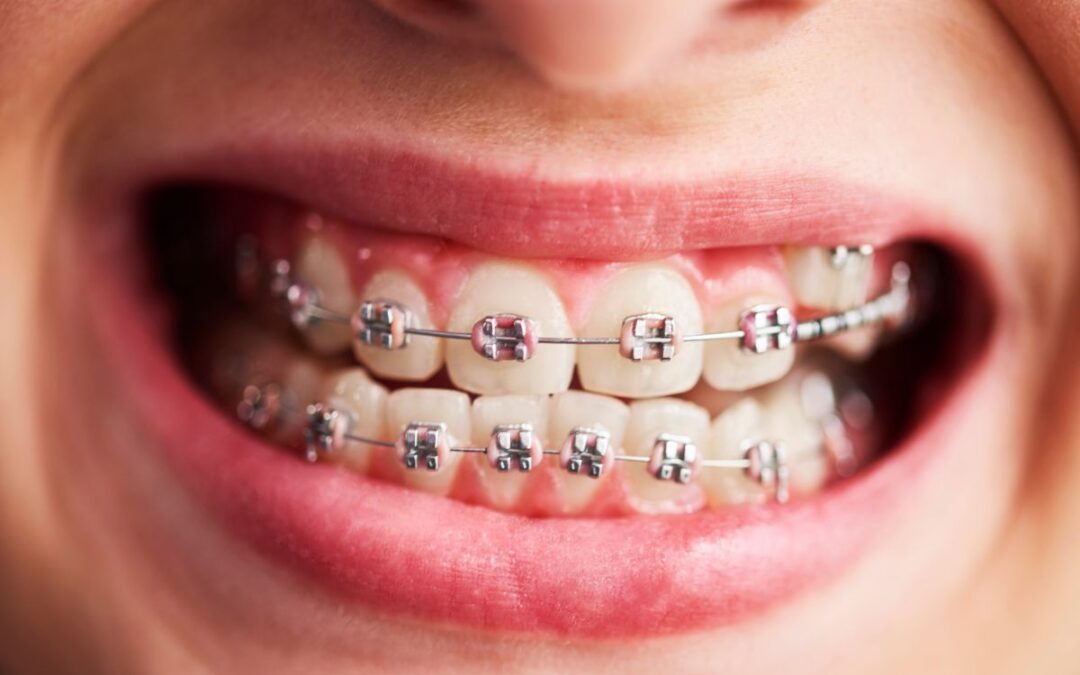
Orthodontic wax is your secret weapon against bracket irritation. When brackets rub against the insides of your cheeks or lips, they can cause painful sores that make talking and eating miserable. Simply pinch off a small piece of wax, roll it into a ball, and press it firmly over the offending bracket. This creates a smooth barrier between the metal and your soft tissues. Keep a pack in your backpack, purse, or car so you’re never caught without it.
Frozen treats offer dual benefits: they taste great and provide numbing relief. Popsicles, frozen fruit bars, and ice cream can temporarily reduce inflammation while satisfying your sweet tooth. Many San Antonio families make this a fun tradition after adjustment appointments. However, avoid anything with hard chunks or sticky ingredients that might damage your hardware.
Building Habits That Make Life Easier
As you settle into life with orthodontic treatment, developing good habits makes a huge difference. Maintaining excellent oral hygiene prevents additional problems that could increase discomfort. Brush after every meal using a soft-bristled toothbrush and fluoride toothpaste. Yes, it takes a few extra minutes, but preventing cavities and gum inflammation is worth the effort.
Staying hydrated keeps your mouth moist and helps naturally wash away food debris. Dry mouth can worsen irritation, so sip water throughout the day. This is particularly important here in our warm climate, where dehydration sneaks up on you during outdoor activities at Brackenridge Park or while walking along the River Walk.
Learning how to relieve braces pain includes knowing which foods to avoid. Hard items like nuts, popcorn, and raw carrots can break brackets or bend wires, leading to emergency visits and extended treatment time. Sticky foods like caramel and taffy can pull brackets off your teeth. Chewy items require excessive force, which increases soreness. Save yourself the trouble and stick to gentler options during the tender days.
How to Deal with Discomfort?
Sometimes, the discomfort from braces comes from specific problems that need quick fixes. If a wire pokes out and jabs your cheek, you can temporarily push it back into place using a clean pencil eraser. Cover it with wax until you can get to your orthodontic office for a proper fix. Don’t panic this happens to almost everyone at some point.
Sore spots on your lips and cheeks usually develop during the adjustment period. Besides using wax, you can apply a small amount of oral gel designed for mouth sores. These products contain ingredients that numb the area and create a protective coating over irritated tissue. You’ll find them at any pharmacy throughout the region.
Headaches sometimes accompany orthodontic adjustments because the pressure on your jaw muscles and bite alignment can cause them. Gentle jaw exercises, warm compresses on your temples, and getting enough sleep can help minimize tension headaches during treatment. Listen to your body and give it the rest it needs.
Knowing When to Visit the Dentist
Most discomfort resolves on its own within a few days, but certain situations need professional attention. Contact your orthodontic office if you experience severe pain that doesn’t respond to over-the-counter medication. This could indicate a problem that needs adjustment rather than something you should tough out at home.
Broken brackets, loose bands, or protruding wires need prompt repair to keep your treatment on track. Continuing with damaged hardware can slow your progress and create additional discomfort. Most offices, including those searching for “braces near me,” offer emergency appointments for urgent issues. Don’t wait until your next scheduled visit if something feels seriously wrong.
Persistent sores that don’t heal within a week or two might need evaluation by a trusted dentist. While minor irritation is normal, chronic wounds may indicate an allergic reaction to materials or a need to modify the appliance. Better to check it out than suffer unnecessarily.
What to Expect as Time Goes On
Knowing what to expect helps you mentally and physically prepare. Pain relief for new braces is most crucial during the first week after initial placement. Your mouth feels foreign and tender as it adapts to the new hardware. Most people find that discomfort decreases significantly after three to five days. You’ll wake up one morning and realize your mouth no longer hurts.
Adjustment appointments every four to eight weeks bring temporary soreness that typically lasts one to three days. Each visit tightens your wires or changes components, reactivating the pressure needed to move your teeth. However, this discomfort is usually less intense than the initial placement period. You’ll develop a routine that works for you.
As treatment progresses, many patients notice they adapt more quickly after adjustments. Your body becomes accustomed to the process, and you know exactly what to do when soreness starts. The final months often feel much easier than the beginning stages. You might even forget you’re wearing them sometimes.
Your Comfort Matters to Us
Managing discomfort during orthodontic treatment doesn’t have to be complicated. With the right strategies and support, you can minimize soreness and focus on the exciting changes happening in your smile. Remember that temporary discomfort leads to lasting results that boost your confidence and oral health for years to come. Thousands of families have walked this path before you and come out smiling on the other side.
If you’re experiencing persistent issues or need guidance with your treatment, our team at Oliver Family Orthodontics is here to help. Dr. Jarod Oliver and our caring staff work with families who want to relieve pain from braces and make orthodontic treatment as comfortable as possible. We’ll evaluate your specific situation and provide personalized solutions that actually work for your lifestyle. Contact us today to discuss your concerns or schedule your next appointment. Your journey to a beautiful smile doesn’t have to be painful. Let us show you how to get orthodontic braces in San Antonio with confidence and comfort.
Conclusion
So, do braces hurt? The honest answer is that you may experience temporary soreness or pressure, especially after your braces are first placed or adjusted. However, this discomfort is generally mild, short-lived, and manageable with simple at-home care.
The lasting benefits of orthodontic treatment including a healthier bite, improved oral health, and a confident smile far outweigh a few days of temporary discomfort. With the support of an experienced orthodontic team, you can expect personalized care, practical guidance, and encouragement throughout your smile journey.
If you’re considering braces or clear braces in San Antonio, TX, scheduling a consultation is the first step toward understanding your options and achieving the healthy, beautiful smile you deserve.
FAQs
How long does the pain last after getting orthodontic treatment?
Initial discomfort typically peaks within 48 to 72 hours after placement and gradually decreases over the following week. Most patients feel significantly better by day five. After adjustment appointments, soreness usually lasts one to three days. Everyone’s pain threshold differs, so your experience might vary from others. Some people barely notice it, while others need more support.
Can I take pain medication before my orthodontic appointment?
Yes, taking over-the-counter pain relievers like ibuprofen about an hour before your appointment can help prevent discomfort from developing. This proactive approach works particularly well for adjustment visits when you know soreness is likely. Always follow the dosage instructions on the medication label. If you have health conditions or take other medications, check with your provider first.
What foods should I eat when my teeth are sore?
Stick to soft foods that require minimal chewing during the first few days after appointments. Great options include mashed potatoes, yogurt, smoothies, oatmeal, scrambled eggs, soup, pasta, soft fruits like bananas, and cooked vegetables. Gradually reintroduce firmer foods as your comfort level improves. Listen to your body and don’t push it too fast.
Is it normal for brackets to irritate my cheeks and lips?
Yes, irritation is completely normal during the adjustment period as your mouth adapts to the new hardware. Your lips, cheeks, and tongue need time to toughen up and learn to navigate around brackets and wires. Using orthodontic wax consistently during the first few weeks creates a protective barrier and significantly reduces sore spots. Most people adapt within two to three weeks.
Will every adjustment appointment cause the same level of discomfort?
Not necessarily. Many patients find that later adjustments cause less discomfort than earlier ones because their mouth has adapted to the process. The amount of soreness also depends on the amount of wire activation at each visit. Some appointments involve more significant changes than others, which affects your comfort level. You’ll start to recognize patterns in your own treatment.
Can ice cream really help with orthodontic soreness?
Yes, cold foods like ice cream provide temporary numbing relief while reducing inflammation in your periodontal ligaments. The cold temperature constricts blood vessels, reducing swelling around your teeth. Just avoid ice cream with hard chunks, nuts, or sticky mix-ins that could damage your appliances or get stuck in brackets. Plain or smooth flavors work perfectly for recovery days.
When should I be worried about pain from orthodontic treatment?
Contact your orthodontist if you experience severe pain that doesn’t improve with over-the-counter medication, if discomfort lasts longer than a week after an appointment, or if you notice signs of infection, such as pus or severe swelling. Also call if brackets break, wires protrude sharply, or you develop persistent sores that won’t heal. Trust your instincts if something feels seriously wrong, get it checked out.