

Correcting jaw misalignments or enhancing your smile often involves choosing between orthognathic surgery and traditional braces. Both treatments offer different advantages, depending on your needs, and choosing the right one is crucial for achieving long-term results.
If you live in this city and are considering orthodontic treatment options, Oliver Family Orthodontics is here to guide you through your options. Expert orthodontists experienced in both approaches will help you understand which treatment might be most suitable for you. Learn about your options for orthodontics in San Antonio to address dental issues.
What is Orthognathic Surgery?
Orthognathic surgery, commonly known as jaw surgery, is typically used to correct severe jaw misalignments that cannot be fixed with braces alone. The procedure involves repositioning the upper or lower jaw (or both) to improve function, appearance, and overall oral health. Unlike traditional braces, which primarily adjust tooth position, orthognathic surgery addresses underlying structural issues in the jaw.
How is Orthognathic Surgery Different from Traditional Braces?
Before you each search for “orthodontist near me,” it’s better to find out the difference between surgery and ordinary traditional brackets. While traditional braces focus on aligning the teeth, jaw surgery works on realigning the bones themselves. This approach is necessary when the misalignment is severe enough to affect facial appearance, chewing, speaking, or breathing. The process is more complex and involves an incision. This makes it a surgical intervention compared to the non-invasive, gradual treatment provided by braces. And this is the biggest factor in the orthodontist vs dentist comparison.
Treatment Considerations
When deciding between jaw surgery vs braces, consider the following:
- Orthognathic Surgery: Required for severe jaw misalignments that affect oral function. It may be recommended when conventional treatments like braces alone cannot deliver the desired results.
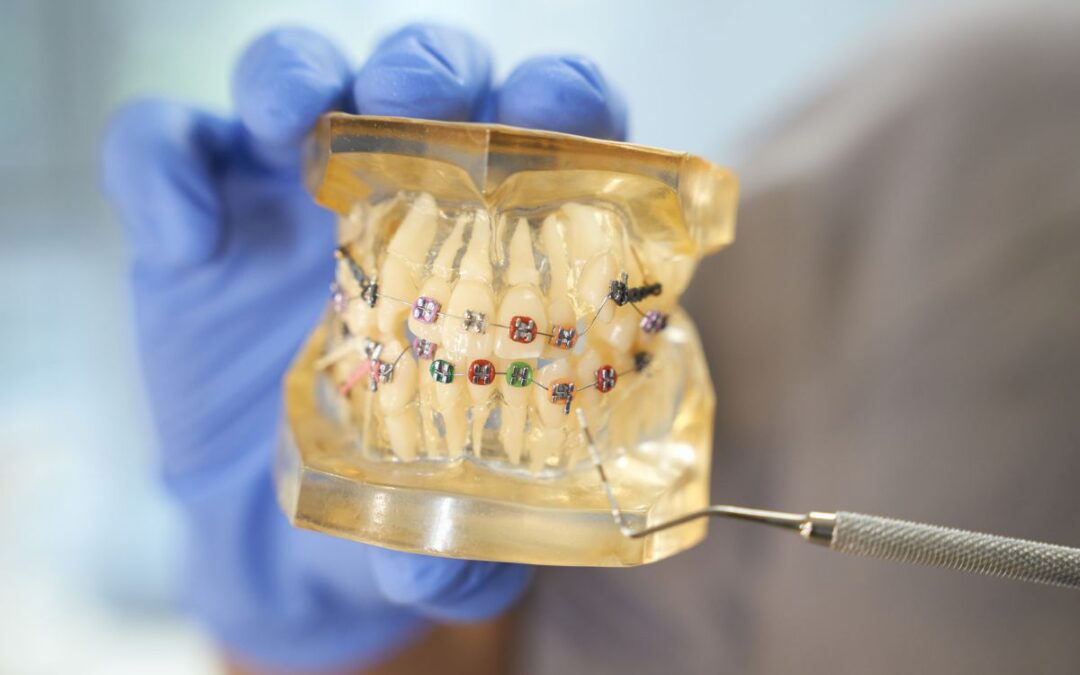
- Traditional Braces: Suitable for most individuals with moderate to mild misalignments. It is a non-invasive approach that works by gradually shifting the teeth over time using metal, ceramic, or clear aligners.
Orthognathic surgery treatment planning involves thorough consultation with an orthodontist and possibly a maxillofacial surgeon. In some cases, surgery-first approaches can be considered, where surgery is performed before braces to allow for better results. This strategy is designed for specific conditions and must be carefully planned with the right professionals.
The Process of Orthognathic Surgery vs. Traditional Braces
Here are the procedures for both treatments:
Traditional Braces Process:
- Initial Consultation: Your orthodontist in San Antonio will examine your teeth and jaw.
- Braces Placement: Brackets are affixed to the teeth, and wires are threaded through.
- Adjustments: Over several months, the orthodontist adjusts the wires to gradually align your teeth.
- Completion: The braces are removed, and you may need a retainer to maintain the results.
Orthognathic Surgery Process:
- Consultation and Planning: The orthodontist and surgeon will collaborate on your treatment plan.
- Surgery: The surgeon realigns the jaw and sometimes the teeth for improved bite and facial harmony.
- Braces After Surgery: Braces are usually worn for a period after the surgery to fine-tune the results.
- Recovery: The healing process can take several months, during which time you’ll be closely monitored.
Which Treatment is Best for You?
Here’s a breakdown of the pros and cons of each treatment approach:
Orthognathic Surgery:
- Pros: Corrects severe jaw misalignments, improves oral function, and provides permanent results.
- Cons: Involves surgery, longer treatment, and recovery time.
Traditional Braces:
- Pros: Non-invasive, effective for most misalignments, cost-effective compared to surgery.
- Cons: Limited for those with severe jaw issues, longer treatment duration.
Choose the Best Option for Your Orthodontic Issues
When choosing between traditional braces and orthognathic surgery in orthodontics, it’s essential to consult with an orthodontist in San Antonio to evaluate your needs. Whether you’re dealing with severe jaw misalignment or seeking more subtle tooth adjustments, there’s a solution for every patient. If you’re considering orthodontic treatment, schedule a consultation at Oliver Family Orthodontics to explore the best treatment options for you.
Contact Oliver Family Orthodontics today to schedule your consultation and start your journey toward a healthier smile. Our orthodontics in San Antonio offers all the solutions you need for personalized care tailored to your needs!
FAQs
How long does the recovery take after orthognathic surgery?
Recovery time varies, but it typically takes several months for complete healing. You’ll need to follow your orthodontist’s advice for the best results.
Can braces alone fix jaw misalignment?
Braces can address mild to moderate misalignments, but severe cases may require jaw surgery rather than braces to achieve the best functional and aesthetic results.
What’s the difference between conventional orthognathic surgery and the surgery-first approach?
The surgery-first approach involves performing the surgery before braces, while the traditional method involves braces first, followed by surgery.
Will I need braces after orthognathic surgery?
Yes, following jaw surgery, it is typically necessary to wear braces to effectively correct and improve the alignment of your teeth. This ensures optimal function and appearance.
How do I know if I need jaw surgery?
Consulting an orthodontist will help determine whether orthognathic surgery is necessary. It is based on an assessment of your individual condition and your specific goals for treatment.