
When you hear the term “orthodontics,” you probably think of braces, aligners, and straight teeth. But there’s another specialty that often works hand-in-hand with orthodontics dentofacial orthopedics. For adults in San Antonio seeking to improve not only their smile but also their bite, jaw function, and facial harmony, understanding the difference between these two disciplines is essential.
At Oliver Family Orthodontics, we help patients make informed decisions about their care by explaining these distinctions clearly. Whether you’ve been referred by your dentist, noticed jaw discomfort, or are simply curious about treatment options, this guide will help you see the full picture.
What Are Dentofacial Orthopedics and Orthodontics?
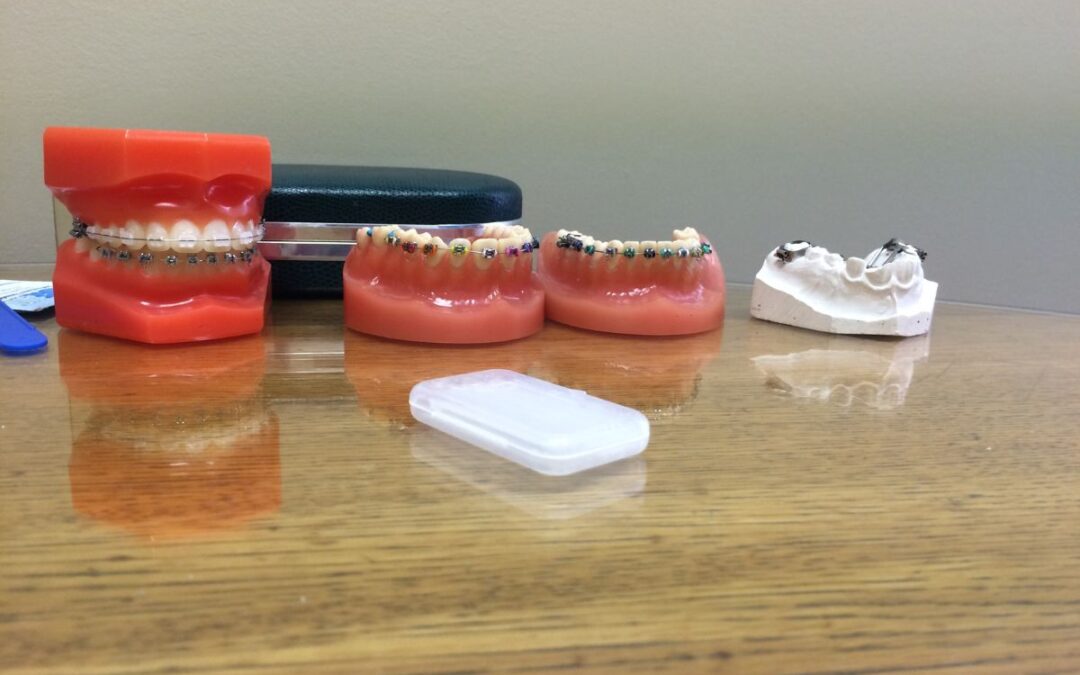
Orthodontics is the dental specialty focused on diagnosing, preventing, and treating irregularities of the teeth and bite. Treatments often include:
-
Traditional braces
-
Clear aligners (e.g., Invisalign®)
-
Retainers
The goal is to achieve a healthy bite and an aesthetically pleasing smile by moving teeth into proper alignment.
Dentofacial Orthopedics, on the other hand, focuses on the guidance of facial growth and development — specifically the bones of the jaw and face. While this specialty is often associated with children, adults can also benefit, especially when jaw position affects chewing, speaking, breathing, or facial appearance.
Some orthodontists are trained in both orthodontics and dentofacial orthopedics. This means they can address not just the position of your teeth, but the underlying skeletal structure that supports them.
How They Differ
| Feature | Orthodontics | Dentofacial Orthopedics |
| Primary Focus | Alignment of teeth | Alignment & growth of jaw/facial bones |
| Common Treatments | Braces, aligners, retainers | Jaw expanders, functional appliances, and sometimes surgery |
| Who Benefits | Anyone with misaligned teeth | Adults with jaw misalignment, facial asymmetry, or TMJ concerns |
| Goal | Straight, functional smile | Balanced facial structure, healthy bite, optimal airway |
While orthodontics works primarily at the tooth level, dentofacial orthopedics looks at the skeletal foundation. This often involves corrective appliances or surgical collaboration to realign the jaw for adults.
Why Adults in San Antonio Should Care
Many adults think dentofacial orthopedics is only for children because it often involves guiding bone growth during developmental years. While that’s true for preventive purposes, adults can still benefit significantly:
-
TMJ and jaw pain relief
-
Improved facial aesthetics
-
Better bite function and chewing efficiency
-
Reduced risk of tooth wear and gum recession
-
Airway improvement in cases of obstructive sleep apnea
For example, if you have a receding chin, an overbite that affects your smile, or chronic jaw discomfort, a combined orthodontics and dentofacial orthopedics approach can yield better results than orthodontics alone.
Who Is an Ideal Candidate for Orthodontic Treatment?
An ideal candidate is someone with crooked, crowded, or misaligned teeth, bite issues (overbite, underbite, crossbite), or gaps between teeth who is in good oral health and committed to treatment. Orthodontics can benefit children, teens, and adults alike.
The Treatment Process
At Oliver Family Orthodontics, we take a thorough approach:
Step 1: Comprehensive Evaluation
We start with digital imaging, photographs, and a bite analysis. This helps us understand whether your concern is dental, skeletal, or both.
Step 2: Treatment Planning
-
Orthodontic Focus: Braces or clear aligners for tooth movement.
-
Orthopedic Focus: Jaw expansion devices, functional appliances, or surgical coordination for skeletal adjustments.
Step 3: Active Treatment
For adults, dentofacial orthopedic changes often require either fixed appliances or surgical support because facial bones are fully developed.
Step 4: Retention & Maintenance
After treatment, retainers and follow-up care keep your new smile and bite stable.
Common Myths and Misconceptions
Myth #1: Dentofacial orthopedics is only for kids.
Reality: Adults can benefit through appliances, surgery, or a combination of both.
Myth #2: If my teeth look straight, I don’t need it.
Reality: Jaw alignment and bite function can still be off even with straight teeth.
Myth #3: It’s all cosmetic.
Reality: These treatments often improve breathing, chewing, and long-term dental health.
Choosing the Right Specialist in San Antonio
When searching for a San Antonio orthodontist, here’s what to look for:
-
Dual Training: Board-certified in orthodontics & dentofacial orthopedics.
-
Technology: 3D imaging, digital scanning, and advanced appliances.
-
Adult Experience: Proven success treating complex adult cases.
-
Patient-Centered Care: Comfort, flexible scheduling, and transparent costs.
At Oliver Family Orthodontics, we combine both specialties to provide comprehensive care under one roof — meaning you don’t have to juggle multiple providers.
When to Consider Dentofacial Orthopedic Evaluation
You may want an evaluation if you experience:
-
Chronic jaw pain or popping
-
Difficulty chewing
-
Uneven facial appearance
-
Frequent headaches or neck tension
-
Sleep apnea or airway concerns
-
Overbite, underbite, or crossbite not resolved by braces alone
Orthodontics & Dentofacial Orthopedics in Combination
In many adult cases, the best results come from combining both disciplines:
-
Example: An adult with a severe overbite might use clear aligners for teeth positioning plus orthognathic surgery for jaw alignment.
-
Example: A patient with sleep apnea might need a palate expansion device combined with braces.
This integrated approach ensures your teeth, jaw, and facial structure work in harmony.
Conclusion
If you’re comparing orthodontics vs. dentofacial orthopedics and wondering which is right for you, the answer often lies in a comprehensive evaluation that considers both your teeth and facial structure. Adults in San Antonio no longer have to choose between functional health and a beautiful smile — you can have both.
Take the first step today. Schedule your consultation with Oliver Family Orthodontics and discover how our combined expertise in orthodontics and dentofacial orthopedics can transform not just your smile, but your overall oral health.
FAQs
What are the Three Types of Orthodontic Treatment?
You can straighten your teeth and enhance your smile with orthodontic options like traditional braces, clear aligners, or lingual braces.
What is the Difference Between an Orthotist and an Orthodontist?
Orthodontists align teeth and jaws using braces or aligners, while orthotists fit devices to support or correct limbs and the spine.