

If you’re considering orthodontic treatment but aren’t excited about wearing traditional braces, you’ve probably wondered: How do clear aligners work?
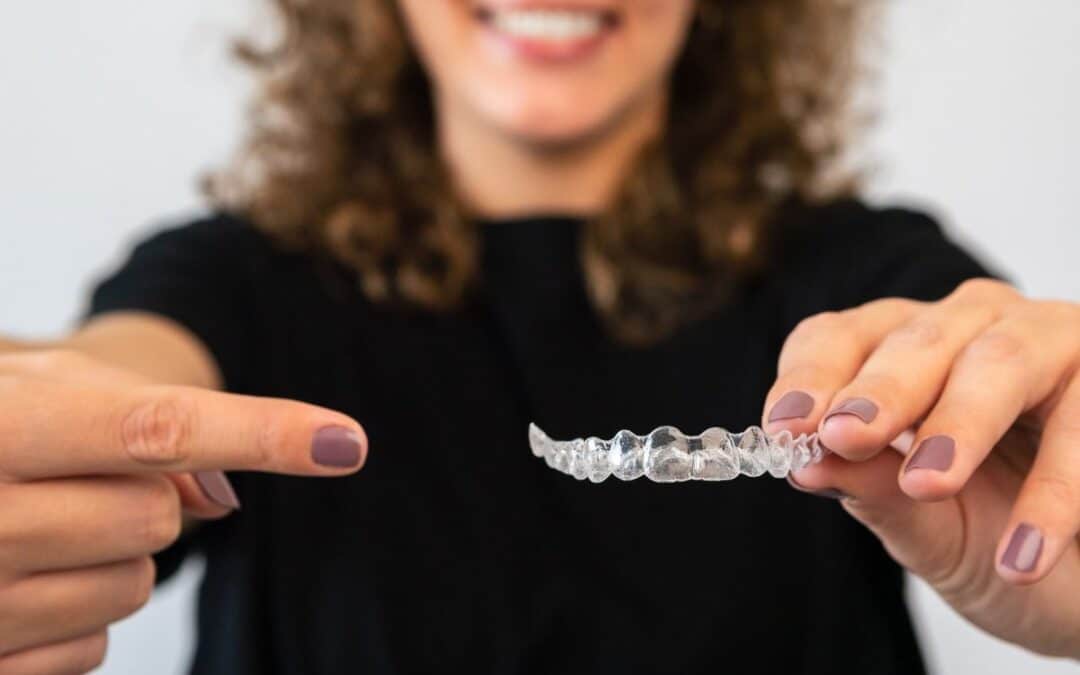
Clear aligners are removable, transparent trays that gradually guide teeth into better positions. Instead of brackets and wires, treatment uses a series of custom-made aligners, with each tray designed to make a small amount of movement according to your orthodontic treatment plan.
For patients researching clear aligners in San Antonio, the biggest appeal is often the combination of a discreet appearance and the ability to remove the trays for meals and daily oral hygiene. But aligners aren’t simply a cosmetic accessory. They are an orthodontic treatment, and whether they are appropriate depends on your teeth, bite, and overall oral health.
Here’s what the process typically looks like and what you should know before getting started.
What Are Clear Aligners?
Clear aligners are thin, transparent trays that fit over your teeth. Each aligner is designed to apply controlled pressure to specific teeth, gradually moving them as part of a planned sequence.
Unlike braces, aligners aren’t permanently attached to your teeth. You remove them when you eat, drink beverages other than water, and brush and floss. They need to be worn consistently, though. The American Association of Orthodontists recommends wearing aligners for at least 22 hours a day, or following the schedule prescribed by your orthodontist.
The trays are changed periodically so that each new aligner continues the sequence of planned tooth movements. The exact number of trays and how often you change them varies from one treatment plan to another.
How Do Clear Aligners Move Your Teeth?
The basic idea is fairly simple.
Your orthodontist plans a sequence of small tooth movements. Each aligner fits slightly differently from the previous one and applies gentle, controlled forces to encourage the teeth to move toward their planned positions.
Orthodontic tooth movement involves changes in the tissues and bone surrounding the teeth. Because these changes happen gradually, treatment isn’t something that can safely be rushed by wearing an aligner incorrectly or moving to the next tray ahead of schedule.
That’s why each aligner has a specific job.
As treatment progresses:
- Your first aligner begins the initial tooth movements.
- You wear it according to your orthodontist’s instructions.
- You move to the next aligner in the prescribed sequence.
- Your teeth gradually progress toward their planned positions.
- Your orthodontist monitors your progress and makes adjustments if needed.
The AAO notes that each aligner is engineered to move teeth incrementally and that tooth-colored attachments may sometimes be used to help achieve specific movements.
What Happens Before You Get Clear Aligners?
Clear aligner treatment starts with an orthodontic evaluation, not with a tray.
During your consultation, the orthodontist evaluates your teeth and bite and determines what is contributing to the alignment problem. Digital scans, photographs, X-rays, or other records may be used when appropriate to develop a treatment plan.
This step matters because two people who appear to have similar crooked teeth may actually have very different orthodontic needs.
Your orthodontist may determine that clear aligners are appropriate, or that braces or another approach would provide more predictable treatment for your particular situation. The AAO specifically notes that not every orthodontic problem can be successfully treated with clear aligners.
At Oliver Family Orthodontics, patients considering clear aligners in San Antonio can discuss their treatment options with the orthodontic team and learn whether aligner treatment fits their individual needs.
What Orthodontic Problems Can Clear Aligners Treat?
Clear aligners can be used for a range of orthodontic concerns. Depending on the severity and nature of the problem, they may be used to address:
- Crowded or crooked teeth
- Gaps between teeth
- Certain overbites
- Certain underbites
- Some crossbites
- Some open bites
- Relapse after previous orthodontic treatment
The AAO lists several of these concerns among conditions that may be treated with aligners, while also emphasizing that treatment suitability varies from patient to patient. If you’re specifically wondering about clear aligners for an overbite, treatment depends on the severity and underlying cause of the bite problem. An orthodontic evaluation can determine whether aligners are an appropriate option for your individual case.
A consultation is the best way to determine whether aligners can address your particular bite or alignment issue.
Do Clear Aligners Require Attachments?
Sometimes.
You may have seen people wearing clear aligners with small tooth-colored bumps on their teeth. These are called attachments. They can give an aligner additional surfaces to grip and help direct certain tooth movements.
Not every patient needs attachments, and the number and placement depend on the treatment plan. The AAO describes attachments as tooth-colored additions that help aligners move teeth properly.
So if you notice attachments during treatment, it doesn’t mean something has gone wrong. They’re simply one of the tools an orthodontist may use to achieve planned tooth movement.
What Is It Like to Wear Clear Aligners Every Day?
For many patients, the routine is straightforward once they get used to it.
You’ll generally:
- Wear your aligners for most of the day.
- Remove them before eating.
- Drink water while wearing them unless your orthodontist gives you different instructions.
- Brush and floss your teeth before putting the aligners back in.
- Clean your aligners as instructed.
- Keep them in their case when they’re not in your mouth.
The AAO recommends removing aligners for eating and for drinking anything other than water. It also recommends cleaning your teeth before putting the trays back in.
One small habit can make a big difference: always put your aligners in their case when you take them out. Wrapping them in a napkin at a restaurant is an easy way to accidentally throw them away.
If an aligner is lost or damaged, contact your orthodontic office rather than simply guessing which tray to wear next.
Are Clear Aligners More Comfortable Than Braces?
Many patients like the smooth feel of aligners because there are no brackets and wires rubbing against the cheeks and lips. However, “comfortable” doesn’t mean you’ll never notice your treatment.
A new aligner can feel snug, and some patients experience temporary pressure or mild soreness as their teeth begin responding to a new tray. That sensation can be part of the normal adjustment to orthodontic movement.
If you experience significant or persistent pain, or if an aligner is cutting into your gums or cheeks, contact your orthodontic provider for advice.
How Long Does Clear Aligner Treatment Take?
There isn’t one treatment timeline that applies to everyone.
The length of treatment depends on factors such as:
- The type and severity of the orthodontic problem
- The amount of tooth movement required
- How consistently you wear your aligners
- How your teeth respond to treatment
- Whether additional orthodontic procedures or appliances are needed
Some relatively straightforward cases may take less time, while more involved cases require longer treatment.
It’s better to view the timeline given at your consultation as an individualized treatment estimate rather than expecting every clear aligner patient to finish within a specific number of months.
Are Clear Aligners Right for Everyone?
No, and that’s actually an important part of choosing orthodontic treatment.
Clear aligners can be an excellent option for many patients, but some cases are treated more predictably with braces or a combination of orthodontic approaches. More complicated tooth movements, certain bite problems, and other clinical factors may affect which treatment is appropriate.
Your oral health matters, too. Gum health and other dental conditions should be evaluated before orthodontic treatment begins. The AAO notes that treating patients with poor periodontal health can create additional risks, which is one reason a proper in-person evaluation is important.
The goal isn’t to choose the most popular appliance. It’s to choose the treatment that makes sense for your teeth and bite.
What Happens After the Last Aligner?
Finishing your final aligner doesn’t mean orthodontic treatment is completely over.
Teeth can shift after active orthodontic treatment, which is why retainers are used to help stabilize the new positions. The ADA explains that retainers help preserve and stabilize orthodontic results.
Your orthodontist will recommend a retention plan based on your treatment and individual needs. Following those instructions is an important part of maintaining your results over time.
Clear Aligners in San Antonio: What Should You Do Next?
If you’re thinking about clear aligners in San Antonio, start with an evaluation rather than trying to decide based only on pictures or online treatment simulations.
An orthodontist can look at your teeth, bite, oral health, and treatment goals and explain whether clear aligners are a reasonable option. If they aren’t, you can discuss other approaches and understand why they’re being recommended.
Oliver Family Orthodontics provides customized clear aligner treatment in San Antonio, TX, for patients whose orthodontic needs are appropriate for this approach. You can learn more about the practice’s treatment process and available options on the clear aligners service page.
A straighter smile starts with the right diagnosis and a treatment plan built around you not simply the type of appliance you saw advertised.
Frequently Asked Questions
How many hours a day should I wear clear aligners?
Most patients are instructed to wear clear aligners for at least 22 hours each day, removing them for meals, drinks other than water, and oral hygiene. Follow the specific instructions provided by your orthodontist.
Can I eat while wearing clear aligners?
Generally, no. Remove your aligners before eating. Water is typically the appropriate drink while wearing them. Clean your teeth before putting the aligners back in.
Do clear aligners hurt?
A new tray may create pressure or mild temporary soreness as it begins guiding your teeth. Significant or persistent discomfort should be discussed with your orthodontist.
Can teenagers get clear aligners?
Yes. Clear aligners may be an option for some teens, but suitability depends on their orthodontic needs and their ability to follow the required wear schedule and care instructions.
Are clear aligners better than braces?
Neither option is automatically better for every patient. Clear aligners offer advantages such as removability and a discreet appearance, while braces can be a better choice for certain complex orthodontic movements. Your orthodontist can recommend the approach that fits your specific case.
What if I lose a clear aligner?
Contact your orthodontist for instructions. Don’t automatically skip ahead to another tray, because your treatment sequence is customized to your teeth.
Do I still need a retainer after clear aligner treatment?
Yes, retention is an important part of orthodontic treatment. Retainers help maintain the positions achieved during active treatment.
How do I know if clear aligners are right for me?
The only reliable way to determine whether clear aligners are appropriate is through an orthodontic evaluation. Your orthodontist can assess your teeth and bite and discuss aligners, braces, or other treatment options based on your individual needs.