
Clear braces offer a discreet, modern solution for achieving a beautifully aligned smile without the noticeable appearance of metal brackets. Designed for patients who value both aesthetics and effectiveness, clear braces are a popular choice among teens and adults alike. In this comprehensive guide, you’ll discover how clear braces on teeth work, how they compare to traditional options, and what to expect throughout the treatment process.
At Oliver Family Orthodontics, we’re dedicated to helping you choose the best orthodontic solution for your lifestyle and smile goals.
What Are Clear Braces?
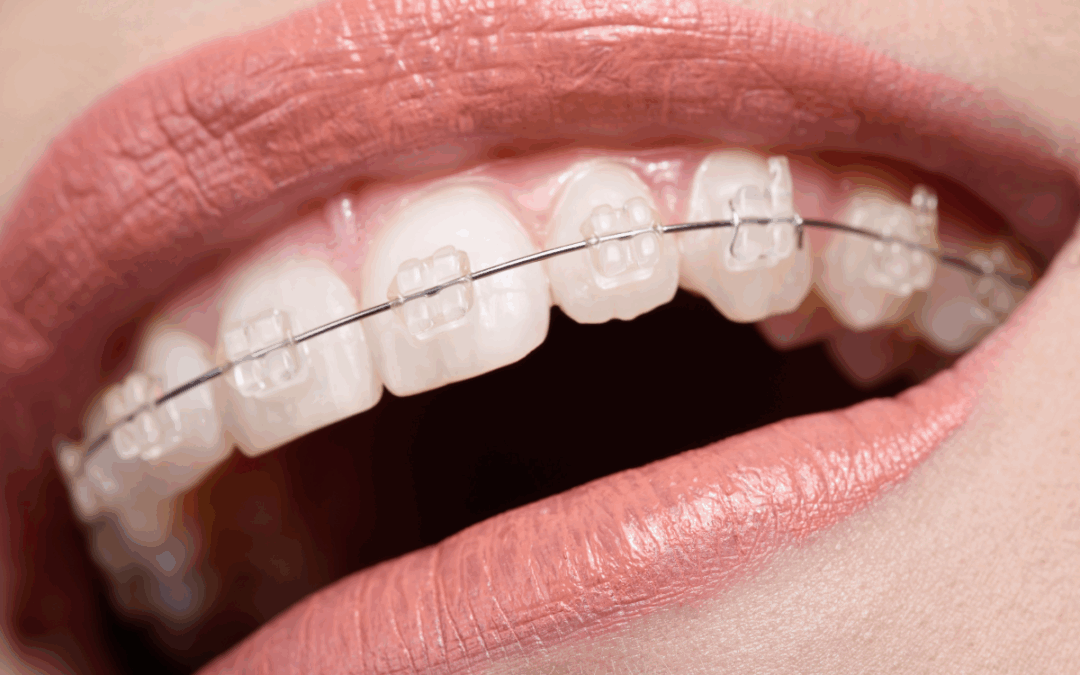
Clear braces, also known as transparent braces or clear bracket braces, are orthodontic appliances that function like traditional braces but use tooth-colored or transparent materials for a more subtle appearance. These clear braces options blend seamlessly with your natural enamel, making them especially popular among adults and teens who prefer a more discreet approach to orthodontic care.
So, can you get clear braces? Absolutely. They are widely available and effective for treating a variety of dental alignment issues.
How Do Clear Braces Work?
Like metal braces, transparent orthodontic braces offer options using brackets and wires to apply gentle, continuous pressure on your teeth, gradually shifting them into the desired position. The difference lies in the materials – clear braces on teeth use ceramic or polycrystalline brackets that are either clear or tooth-colored, making them less visible than metal versions.
The treatment process begins with a consultation, followed by the application of transparent braces. Regular follow-ups ensure that your teeth are progressing as planned. The wires may be adjusted every few weeks, similar to metal braces vs. clear treatments.
Difference Between Clear Braces and Metal Braces
When choosing between clear braces vs. metal, it’s essential to understand how each type differs in function, aesthetics, and maintenance. Here’s a comprehensive comparison between transparent braces and metal braces to help guide your decision:
| Feature | Clear Braces | Traditional Metal Braces |
| Appearance | Made from ceramic or polycrystalline materials that are tooth-colored or transparent, making them less noticeable on the teeth. Ideal for those seeking a discreet treatment option. | Made from high-grade stainless steel. The brackets and wires are visibly silver, making them more noticeable in the mouth. |
| Material | Ceramic or clear composite materials. Brackets are designed to blend with the color of your natural teeth. | Durable stainless steel brackets and archwires are known for their strength and resilience. |
| Durability | Slightly more brittle than metal. Brackets can chip or crack under pressure, especially if not cared for properly. | Extremely durable. Less likely to break or fracture, making them suitable for more complex cases. |
| Effectiveness | Effective for treating mild to moderate orthodontic issues. May require more cautious handling to avoid bracket damage. | Highly effective for treating all types of alignment and bite issues, including severe cases. Offers greater torque control and force. |
| Friction and Movement | Ceramic brackets may create more friction with the wire, which can slightly slow down tooth movement if not compensated with special wires. | Metal brackets produce less friction, allowing for smoother tooth movement and potentially shorter treatment times. |
| Stain Resistance | Brackets are resistant to staining, but the elastic ligatures (clear ties) can discolor from foods like coffee, tea, or curry if not properly maintained. | Metal braces don’t stain, and darker colored ligatures can actually hide potential staining better than clear ones. |
| Comfort | Smoother bracket edges but slightly larger in size. May cause some soft tissue irritation initially. | Smaller brackets that may feel less bulky, but the metal edges can sometimes irritate lips or cheeks. |
| Maintenance | Requires meticulous oral hygiene to prevent discoloration of clear ties and to protect ceramic brackets from chipping. | Easier to clean, but still requires diligent oral hygiene to avoid plaque buildup around brackets. |
| Treatment Time | Comparable to metal braces in most cases, but treatment may be extended slightly due to the fragility of the brackets and increased friction. | Typically offers faster or more predictable results, especially in complex cases, due to better force application. |
| Cost | Generally, more expensive due to the material and aesthetic benefits. Insurance coverage may vary. | More affordable and widely covered by insurance plans. A practical option for many patients. |
| Ideal For | Teenagers and adults who prioritize aesthetics and have mild to moderate orthodontic concerns. | Children, teens, and adults with mild to severe orthodontic needs who are comfortable with a more visible appliance. |
Benefits of Choosing Clear Braces
There are several compelling reasons why patients opt for clear braces for adults and teens alike:
- Aesthetic Appeal: Because braces teeth closely match natural tooth color, they’re ideal for patients who want a low-profile treatment.
- Confidence Boost: With clear braces on teeth, you can maintain your professional appearance or social confidence throughout your treatment.
- Comfort: Modern materials make clear braces smoother and less irritating to soft tissues.
- Effective Treatment: Despite their discreet appearance, transparent braces are just as effective as metal options in treating common alignment issues.
Potential Considerations and Limitations
While clear braces offer many advantages, it’s essential to understand their limitations:
- Durability: Ceramic brackets can be more brittle than metal, increasing the risk of breakage.
- Staining: The brackets themselves don’t stain easily, but the elastic ties used in teeth braces, clear setups can discolor without proper care.
- Cost: Typically, clear braces are slightly more expensive than metal ones due to the materials used.
- Not Ideal for Severe Cases: In some complex cases, clear braces vs. metal braces may show that metal offers better strength and control.
Ideal Candidates for Clear Braces
Can you get clear braces? In many cases, yes—clear braces are a highly effective and aesthetically appealing option for a wide range of patients. However, the success of braces teeth clear treatment largely depends on individual dental needs, lifestyle preferences, and commitment to maintenance.
Mild to Moderate Orthodontic Concerns
Clear braces for adults and kids are particularly well-suited for patients with:
- Mild to moderate crowding or spacing
- Slight overbites, underbites, or crossbites
- Misalignment of teeth that does not require significant jaw repositioning
While transparent braces vs metal options offer similar treatment mechanics, more severe or complex bite issues may benefit from the strength and control of metal braces.
Adults and Teens Seeking Discreet Treatment
Clear braces on teeth are a favorite among:
- Working professionals who wish to maintain a polished appearance during meetings or client interactions
- College students and young adults who are socially conscious or preparing for important life milestones, such as job interviews or weddings
- Image-conscious teens looking for a less noticeable alternative to traditional metal braces
For these patients, the clear vs. metal braces decision often comes down to the visual impact of treatment.
Patients Committed to Oral Hygiene
Unlike metal braces, clear braces use ceramic brackets and lighter-colored elastic ties, which are more prone to staining. Ideal candidates for these discreet teeth straightening options are:
- Willing to brush and floss after every meal
- Careful to avoid staining foods and beverages like coffee, red wine, turmeric, and tomato-based sauces
- Committed to attending all scheduled orthodontic visits for adjustments and elastic tie replacements
Poor hygiene can compromise the aesthetic benefits of clear braces systems.
Patients Without Severe Bruxism or Jaw Clenching
Because clear bracket braces are made from ceramic, they are slightly more fragile than metal. Patients who grind their teeth excessively (bruxism) or have strong bite forces may be better suited for metal braces or hybrid treatments.
Patients Looking for a Balanced Treatment Option
If you’re seeking a treatment that balances subtle appearance with proven orthodontic results, clear braces vs metal braces is a conversation worth having. Many patients are delighted to discover that they can straighten their smile effectively while maintaining a discreet appearance.
Maintenance and Care Tips
To ensure your clear braces for adults and kids remain clean and effective throughout treatment, follow these care tips:
- Brush and floss regularly to prevent staining and plaque buildup.
- Avoid foods and beverages like coffee, red wine, and curry that can stain elastics.
- Attend all scheduled appointments to have elastics replaced and wires adjusted.
- Use orthodontic-friendly cleaning tools, such as floss threaders and interdental brushes.
Proper care ensures your clear braces option stays both functional and visually discreet.
Duration and What to Expect During Treatment
Treatment with clear braces typically lasts between 18 to 36 months, similar to metal braces. However, the exact timeline depends on individual orthodontic needs.
Why Choose Oliver Family Orthodontics for Your Clear Braces?
At Oliver Family Orthodontics, we specialize in providing expert orthodontic care with a personal touch. Our team is experienced in both metal braces and clear bracket braces, ensuring you receive the most discreet teeth straightening options for your needs and lifestyle.
Clear braces offer a modern, discreet, and highly effective solution for achieving a beautifully aligned smile. Whether you’re still weighing the differences between clear braces vs metal braces, or ready to start your journey with transparent braces, the experts at Oliver Family Orthodontics are here to help.
Schedule a consultation and find out whether clear braces on teeth are right for you. Let us help you smile with confidence – beautifully and discreetly.
FAQs
Do Clear Braces Take Longer?
Clear braces typically take 12-36 months, while metal braces average 18–24 months. Treatment time depends on how complex your alignment needs are.
What is Better, Invisalign or Clear Braces?
Invisalign aligners are more comfortable and easier to adjust to than clear braces, but they may not be suitable for severe bite issues. They also tend to cost more than clear braces.
Do Clear Braces Turn Yellow?
Yes, clear braces can yellow over time, primarily due to pigmented foods and drinks such as coffee, tea, and tomato sauce. The brackets resist staining, but the clear elastics are prone to discoloration.
What are the Issues With Clear Braces?
Clear aligners offer a discreet and comfortable teeth-straightening option but may cause temporary discomfort, speech changes, and require diligent oral hygiene. These challenges are manageable with proper care.
Can You Choose if You Want Clear or Metal Braces?
Absolutely! An orthodontist in San Antonio, TX, will let you opt for the preferred treatment after examination of your condition.